-1.svg)
.svg)
.svg)
Jun 13, 2026
The slow-grown timber of Central Hawke's Bay
The slow-grown timber of Central Hawke's Bay
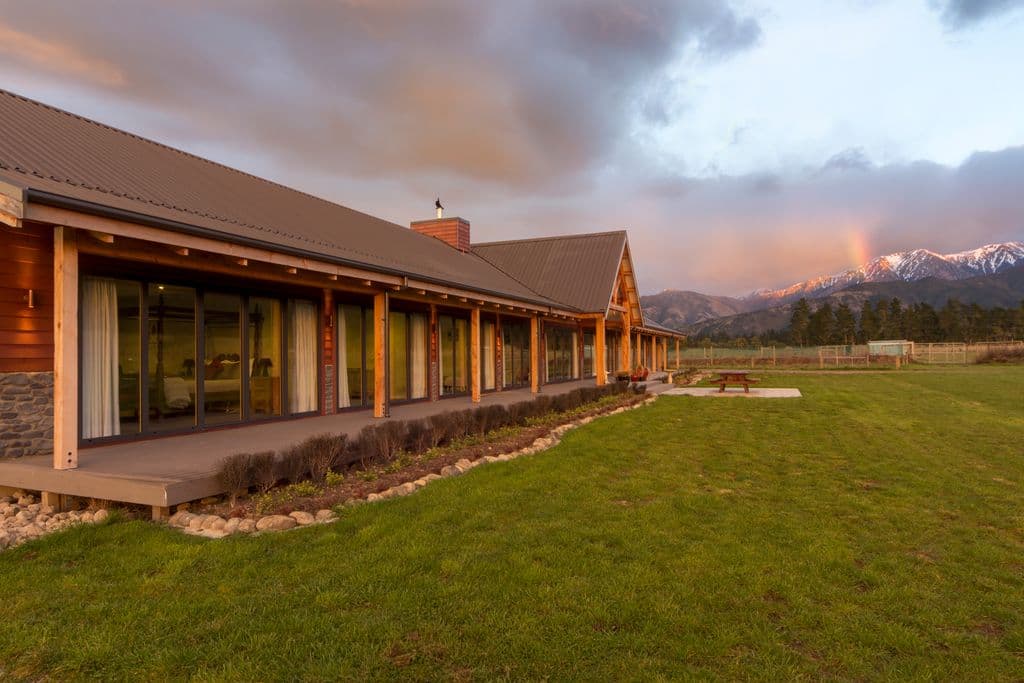
This is an article about the merits of timber grown in Central Hawke’s Bay. There is wonderful timber being grown throughout New Zealand, though from our experience, and for our needs, we have found timber around here to be unrivaled by timber from any other region in New Zealand. From what we have observed, trees grown on many of the small private forests we source our logs from around here mimic the old growth forests of North America where Douglas-fir and several other of our favourite alternative species come from. Which goes some way to explaining why they thrive here - they feel right at home!
These trees didn’t plant themselves. It was the forward-thinking actions of our forebears who broke the land in for farming and put them in the ground. Whether it was for their own use decades into the future, or, more likely, for use by their successors to put to use as the trees came of age. English Oak or elm for instance typically take over a century to be fully mature for building and furniture, so planting these certainly was for use by future custodians of the land. In our own lifetime, the New Zealand Farm Forestry Association have exhibited foresight and wisdom by betting on the enduring value of quality timber. Without them, it is unlikely we would have access to the locally grown specialty timbers that we do.
Following are 4 key attributes associated with the timber grown around here.
Exceptional character and beauty
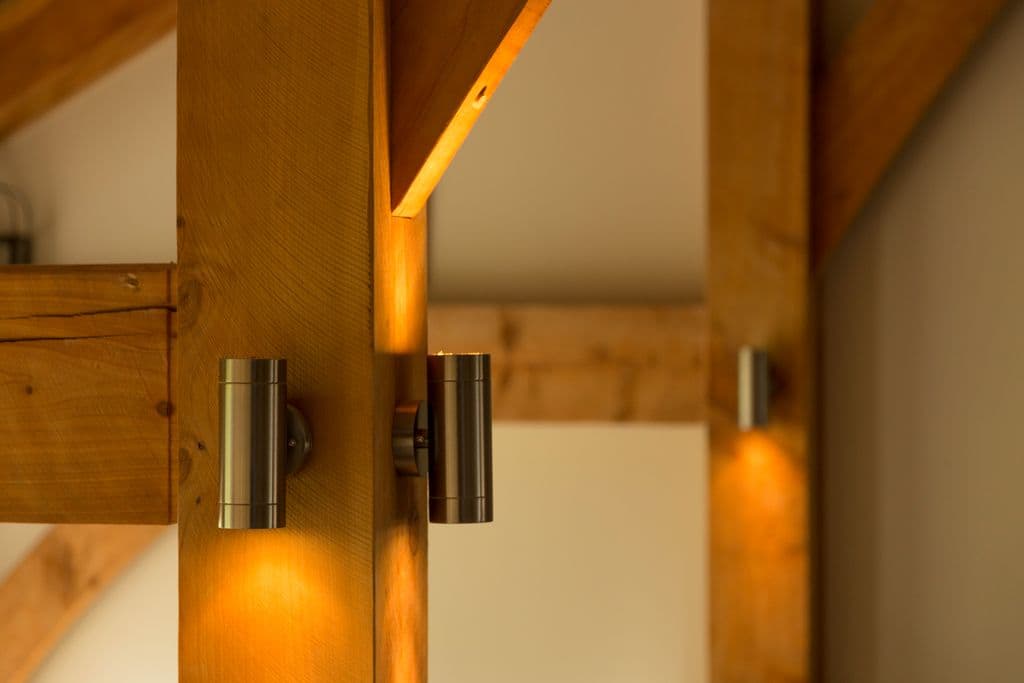
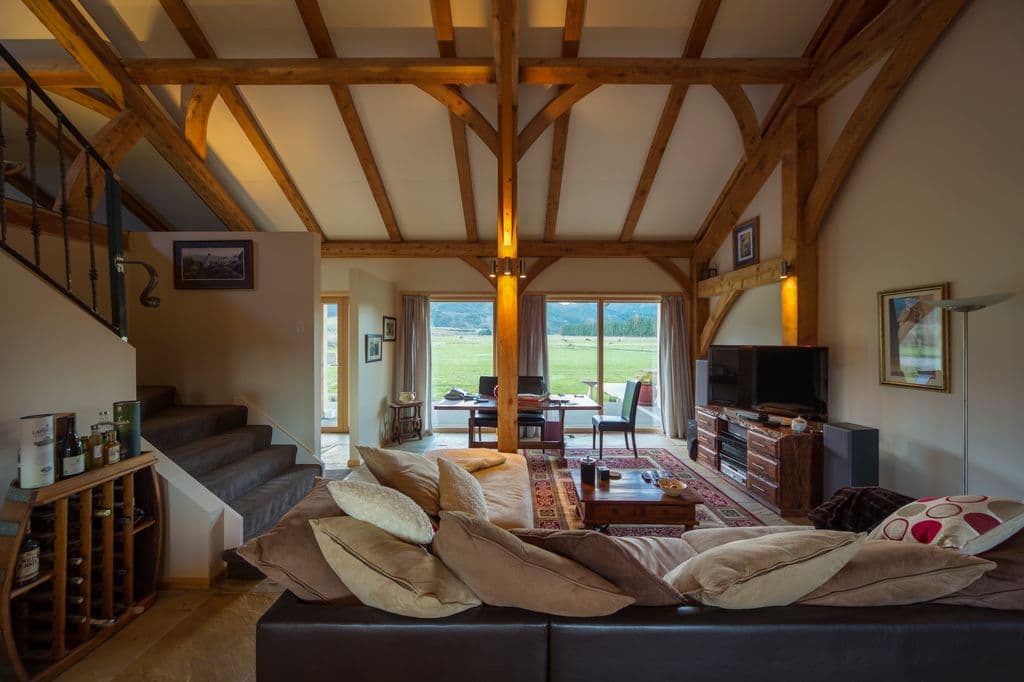
Hawke’s Bay timber is renowned for its enduring beauty and character, largely on account of the tight grains it so consistently produces. Steady, unhurried growth creates fine grains with a richer texture and a more refined appearance than rapidly grown timber. Subtle patterns and character become more apparent over time, and thoughtfully placed lighting will enhance this as the light interacts differently across the tight grain lines - it’s common for our customers to report spending hours in the evening somewhat transfixed on the grains of their timber beams as the lighting shifts throughout the night. Provenance in the quest for sublime specialty timber is basically the same as it is for wine: as wine connoisseurs value terroir, so too timber connoisseurs seek out slow-grown logs from specific regions.
Photo: Interior lighting inside a beautiful alpine lodge built with our timber frame in Hanmer, North Canterbury around 2014.
That substantial feeling
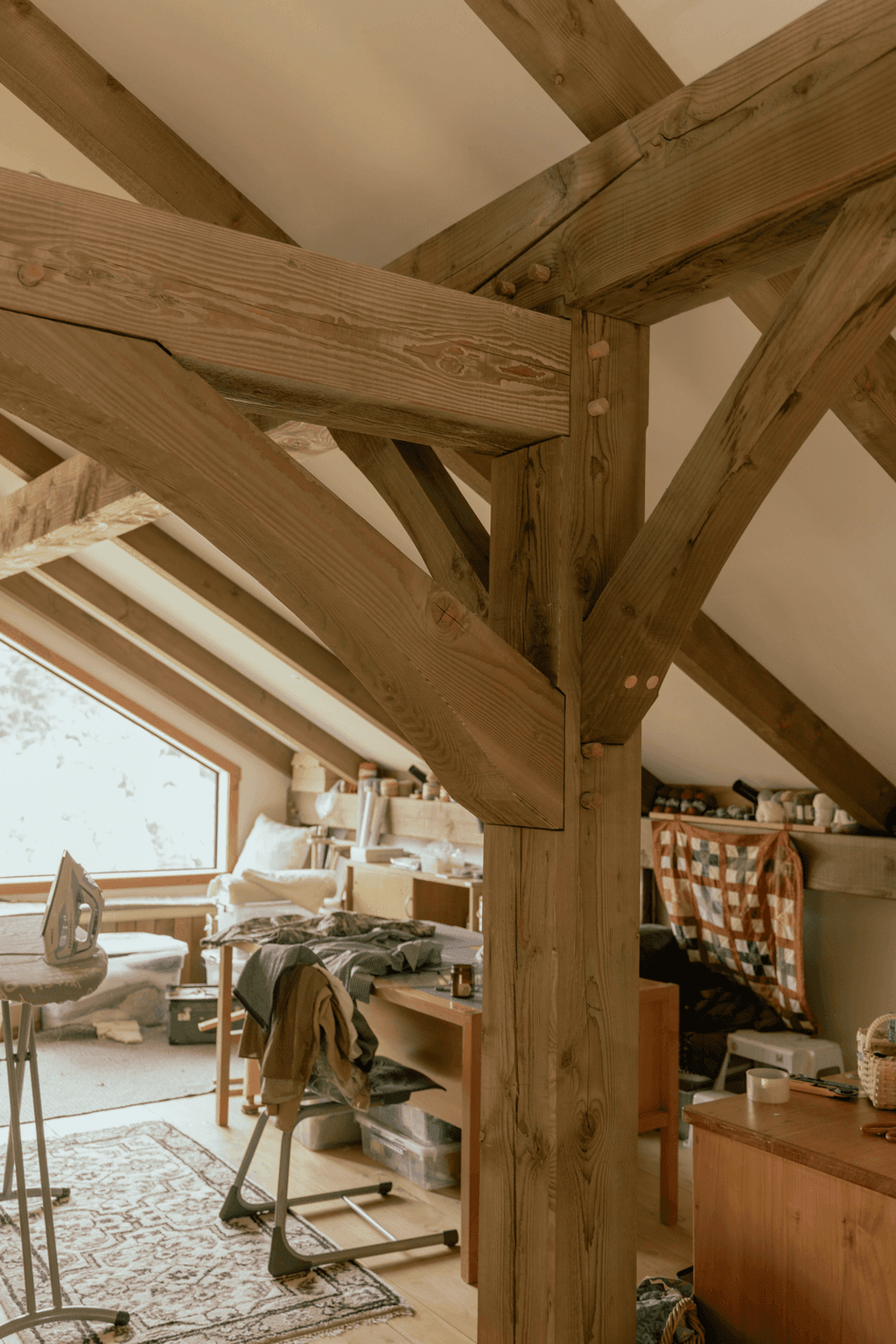
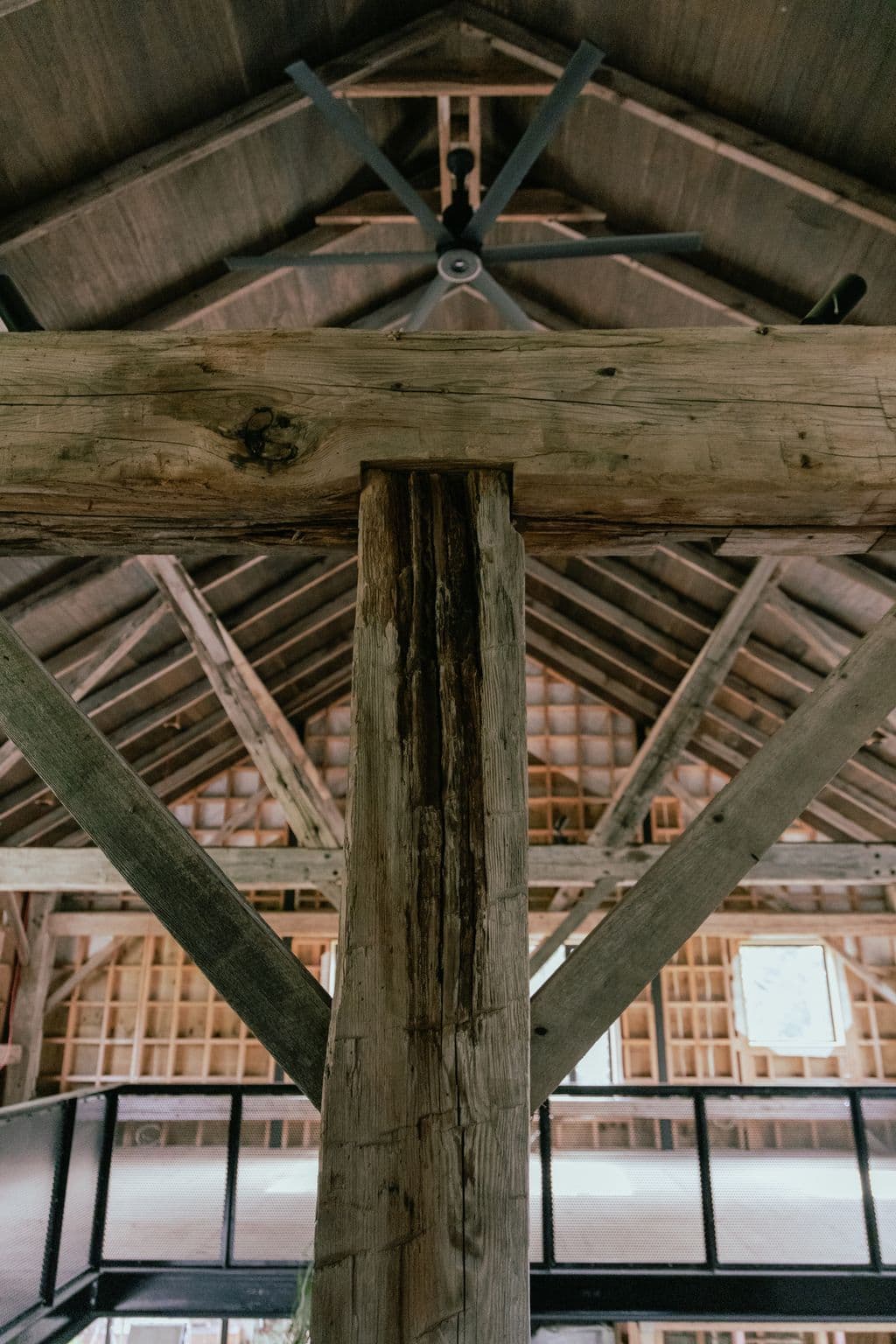
Slow-grown timber is a little like a truly satisfying meal. It's not about size alone - it’s about substance, quality, and sensory experience. The tighter grain creates a feeling of authenticity you only get from unhurried growth. Exposed slow-grown timber beams evoke a similar feeling as an exquisite piece of timber furniture, revealing the character and sense of permanence that is just part of the deal when you invest in quality timber.
Photo: Heavy beams inside "The Hearth" barn home, right here at Mohaka River Farm.
Aging gracefully
Like fine wine, slow-grown timber gets better with time. Rather than fading and degrading, slow-grown timber develops a warmer patina and greater complexity, like your favourite well-worn leather shoes or hand-sewn leather handbag. “Time” and “legacy” are themes we often allude to when writing about our homes, and graceful aging is a big part of why we do that: well made homes made from quality, slow-grown timber are investments for generations to come - improving with time, and typically increasing in value as a good investment ought.
Photo: Inside a brilliant reclaimed barn project near Warkworth where a determined and somewhat visionary woman married reclaimed timber we imported from the U.S., with a contemporary architectural aesthetic.
Strong, stable, sustainable
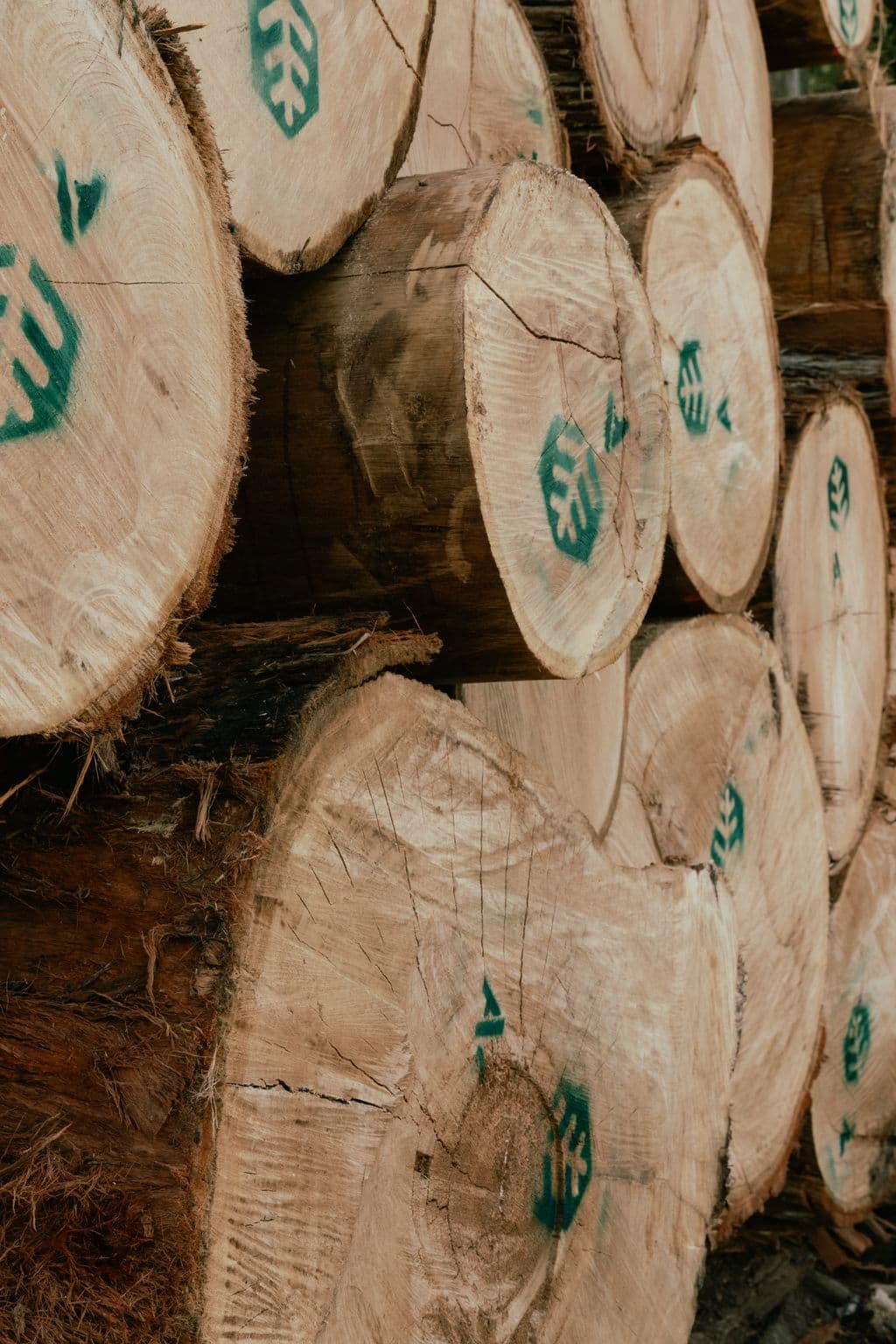
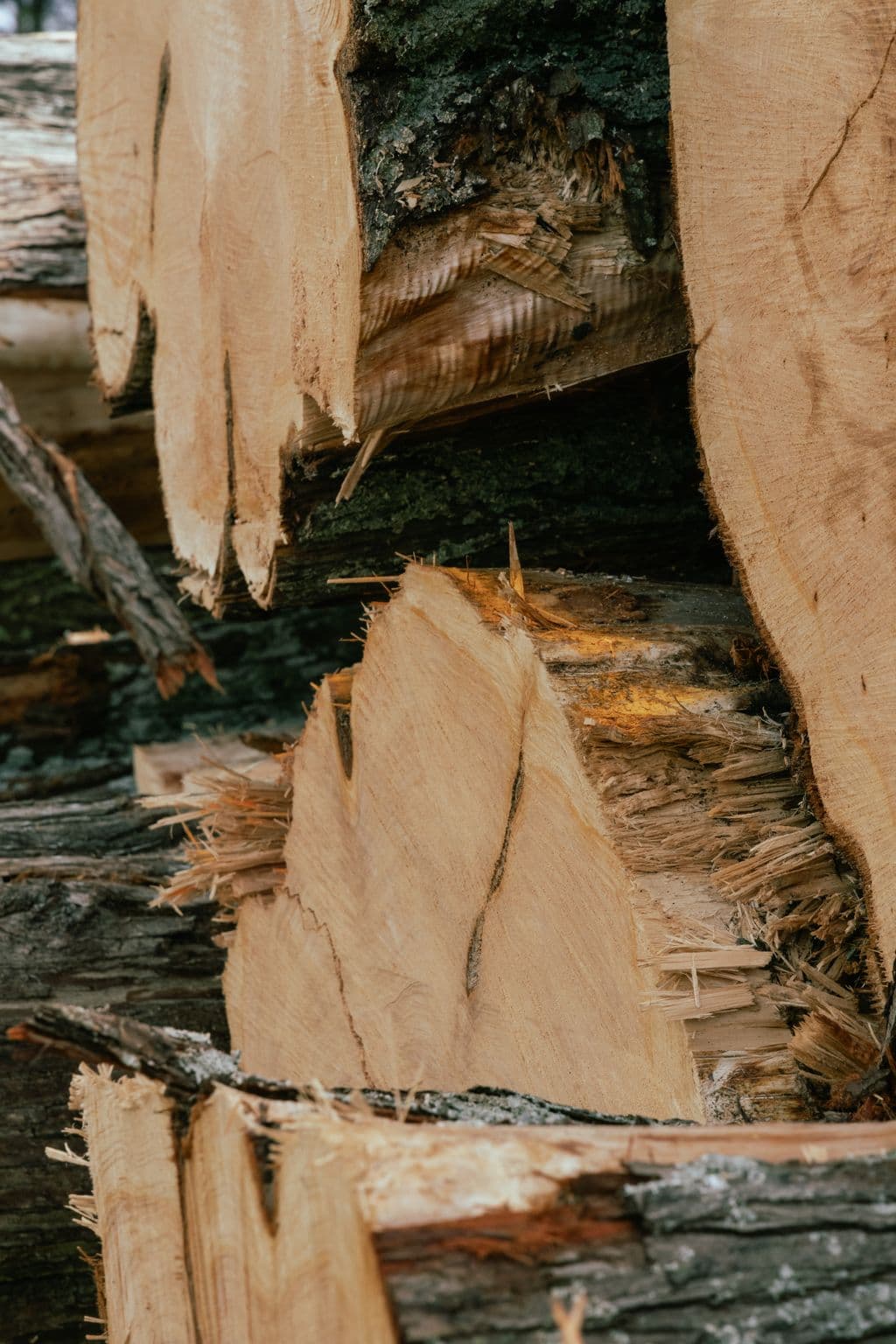
40 to 140 years of slow growth here in Hawke’s Bay (depending on the species) means trees grown here have seen many a long dry summer. Pressure makes diamonds and the right amount of “moisture stress” makes strong timber. Deprived of excessive water which fuels fast growth, trees grown in Central Hawke’s Bay mature slowly. This is most visibly seen in the tight growth rings timber grown here is known for. Each growth ring represents a year of growth, and where growth rings found in trees from high rain regions might be 2 or more centimeters apart, the space between each growth ring on slow-grown Douglas-fir we harvest from here in Central Hawke's Bay is generally in the range of 3mm to 1cm. We look closely at each tree before we harvest, selecting them carefully with a definite use in mind based on its characteristics. For most Douglas-fir, for instance, we find the optimal time to harvest is when they are between 45 and 65 years of age. This type of sustainability doesn't garner the attention of other, more flashy sustainability practices, but it is indeed a zero-waste approach that comes with a tiny environmental footprint and provides the raw material for things we can all be proud to say have 100% been made in New Zealand. Timber aficionados around the world know about the timber from Central Hawke's Bay and pay good money to import it half way round the world. We are doing out bit to make things with it - add value, and keep it right here, where it belongs.
Photo: Macrocarpa we felled on a private farm near our own, April 2026. See how tightly knit the growth rings are? Those relatively thin logs provide beams of the same strength as considerably wider beams grown in less ideal conditions than here.
-1-1024x683.jpg&w=3840&q=75)