


New Zealand grown timber
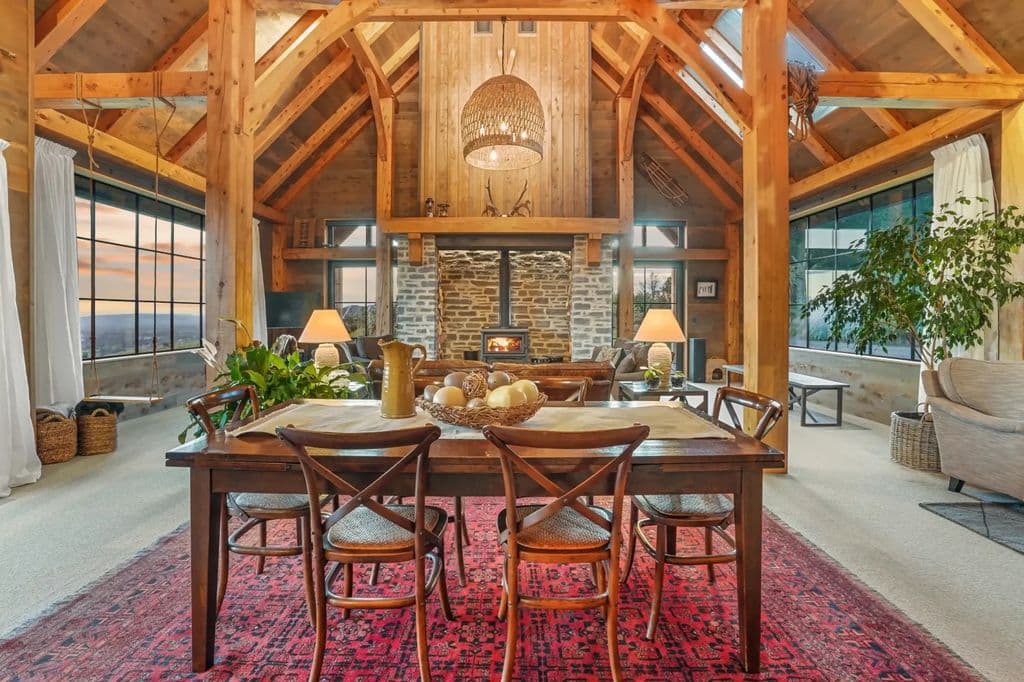
English oak, Lawsons Cypress, redwood, elm, Japanese cedar, European ash, macrocarpa, Douglas-fir. These are among the exceptional exotic timbers we use, grown in small plantations right here in sunny Hawke's Bay. We put the time in finding the best small stands of timber - often for individual projects. We fell it, mill, dry and craft the logs. From log-to-legacy.
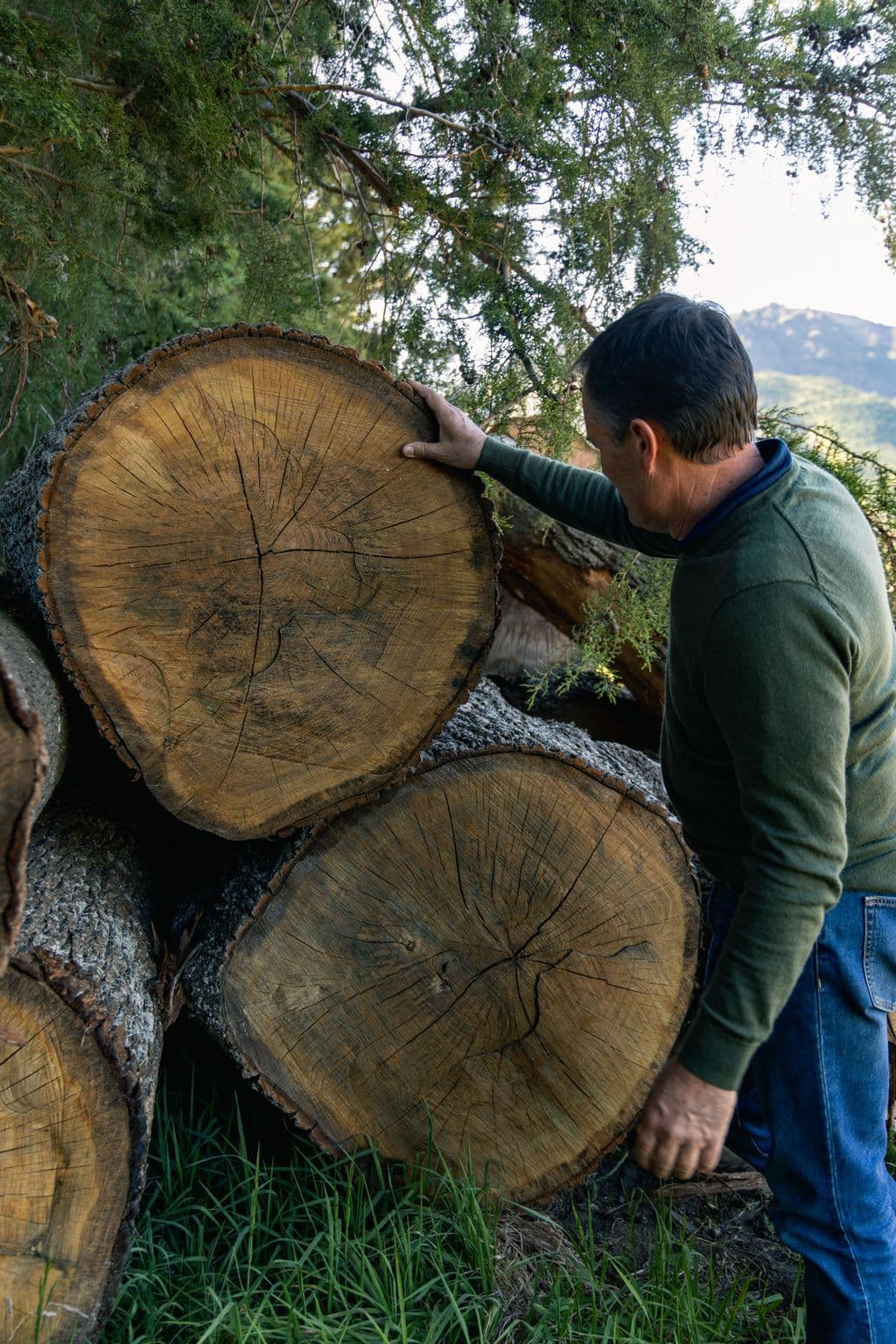
English Oak
As of February, 2026 we have 20 tonnes of freshly harvested English oak (Quercus robur) stored and curing, ready to be milled. The frames will be cut while the wood is green and will dry in place, ensuring its hidden character is expressed through the years. Planted around 1900 on a farm nearby, this majestic 120 year-old timber is as strong as it is beautiful, as wise as it is iconic. For lovers of English oak, for discerning folk who choose to build for the long-term. 120 years in the making - this is remarkable, premium-grade timber. Bound for commensurately remarkable projects.
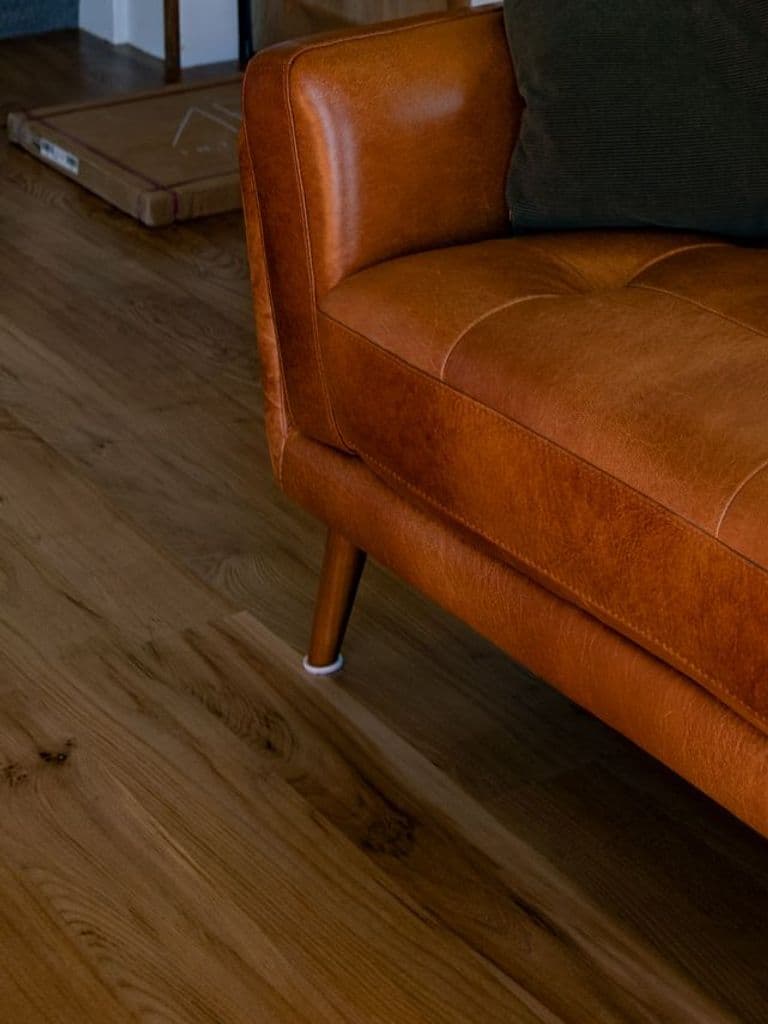
Elm
Quality elm is hard to come by due to the kill-off of much of the world's supply by Dutch elm Disease. At Heritage Timbercraft we are fortunate to have access to beautiful New Zealand grown elm in limited qualities. Beams from this slow growing hardwood from Central Hawke's Bay immediately draw interest because the tight grain is seldom seen in New Zealand grown exotic timber. Elm is rare, and for the discerning homeowner. It is also surprisingly cost effective when used intelligently. Versatile and suited to a range of uses including barn flooring, stairs and doors.
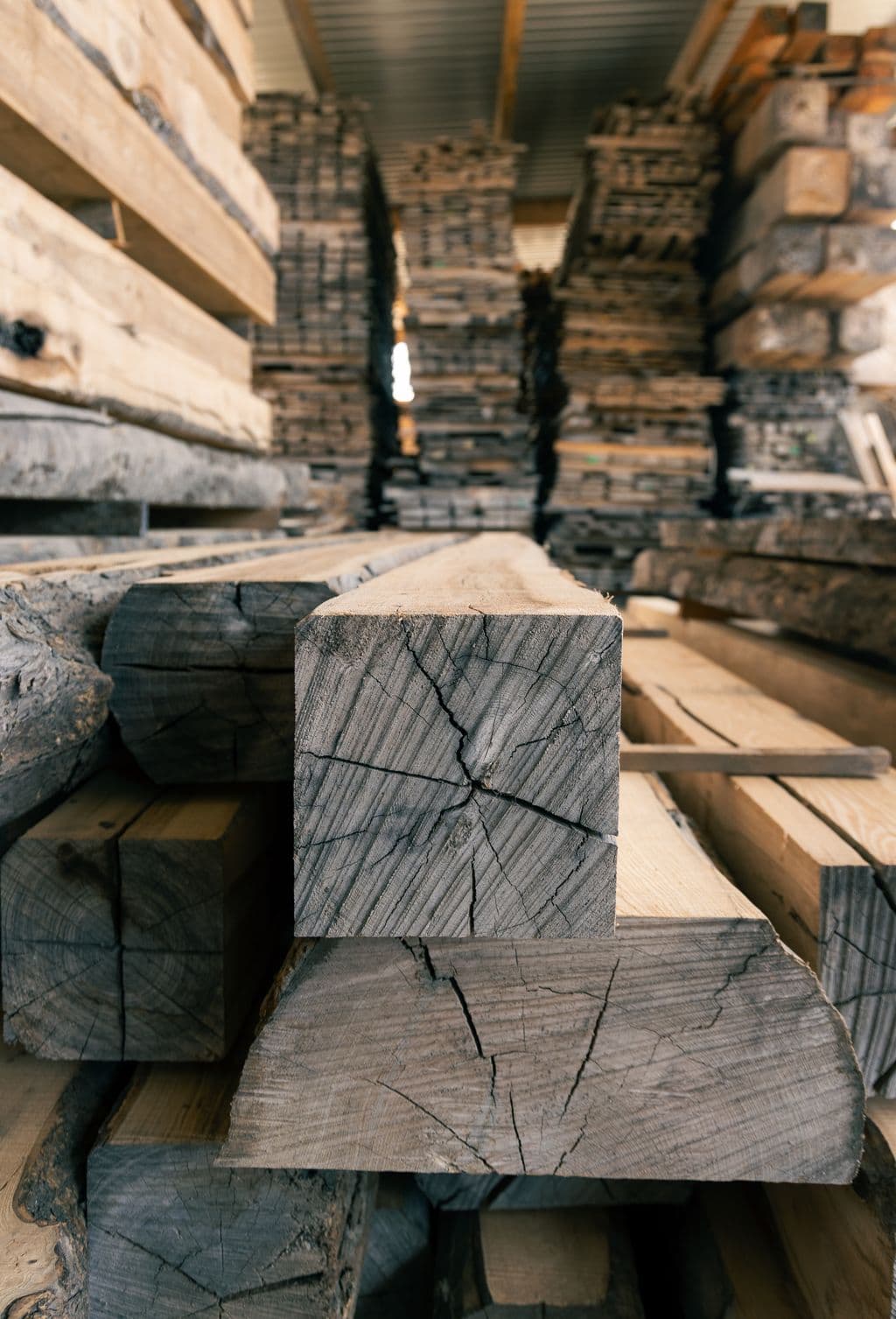
Ash
We recently (October, 2026) milled a tremendous, rare haul of 130-year old European ash and stacked it in our shed to slowly dry. Grown right here in Central Hawke's Bay, this is exceptional timber. It is really hard to find ash of this age and quality grown in New Zealand; we have milled it into beams intended for use in a heritage barn style home or commercial space. This is one-of-a kind timber and we are inviting interest for it's use.

Douglas-fir
Douglas-fir is native to North America, and has been grown here in New Zealand commercially since the late 1800s. Much of the Douglas-fir planted 30-40 years ago will be ready to harvest for beams in the next 10-20 years; exciting news for lovers of premium quality timber. Douglas-fir is stronger than macrocarpa so can handle greater spans. It has a naturally pinkish tone which matures over time. We most often "pre-weather" our beams with a salt-solution product but many folk love its natural colour with an application of UV-stable oil. An increasingly popular use for the "jacket boards" cut from around our Douglas-fir beams is in flooring. The slow grown trees in our region produce relatively hard flooring with plenty of beautiful character.
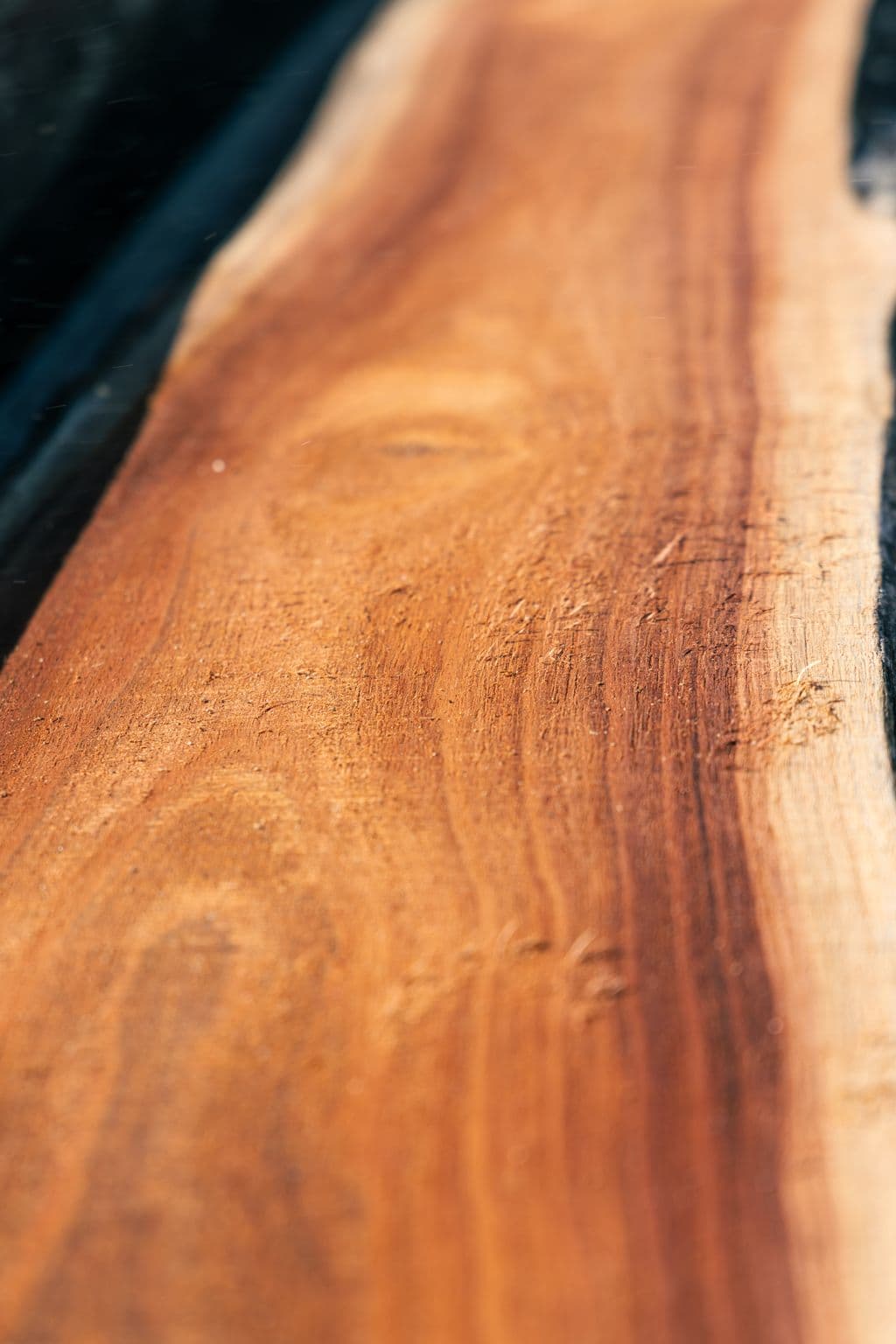
Tasmanian blackwood
Tasmanian blackwood is a stable mid-range timber. Relatively young - these trees were just 42 years old when we felled them in late 2024. It's suited to interior use and we expect it'll make for some nice stair treds or potentially counter tops, benchtops, shelves, table tops etc. It was among a lovely stand of Japanese cedar and poplars we also felled and brought back to the yard for milling.

Macrocarpa
Originally introduced to New Zealand from the west coast of the U.S.A. - largely owing to its magnificent colour, durability and scent. It has been grown in small plantations as well as shelter belts on farms. Although supply is dwindling, Heritage Timbercraft enjoys access to some of New Zealand's finest slow-grown macrocarpa. We also have a New Zealand-wide durability statement enabling its use as an untreated exterior timber. This means you definitely do not have to accept chemically treated timbers on your veranda or other outdoor areas. Terrific for trusses, frames, mezzanine floors and cladding, macrocarpa is unmistakably beautiful when used selectively and treated respectfully.
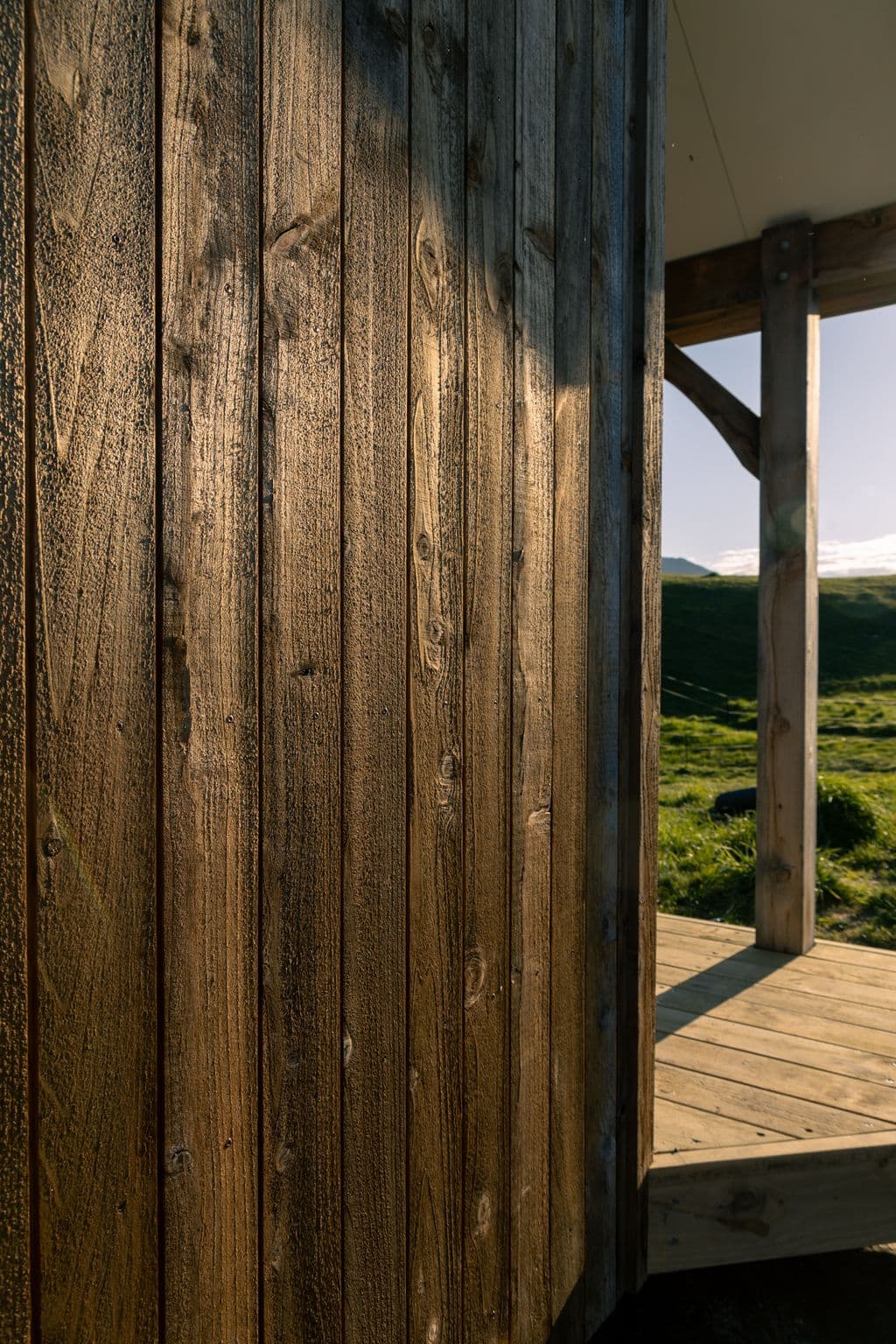
Japanese Cedar
Fast growing and productive, Japanese cedar has a lovely scent and grows very well in temperate climates outside of Japan (including New Zealand). Its heartwood is naturally durable so goes especially well for cladding and other exterior uses. We've used the sap/heart boards for ceilings and interior wall lining - it's very light and easy to work with. Interestingly, Japanese cedar is known as Sugi in Japan and is often charred to increase it's longevity outdoors.
Get in touch
To speak with us about any of the timbers listed here, or any other specialty timbers for a project you have in mind, contact Jared.
Jared Wayman
If you like that, you might like these..
Below are 2 links - watch Jared and Freek in a tiny stand of timber on a 25,000 acre Kiwi breeding sanctuary, scouting for timber for an upcoming project. And read a short article we wrote on why Central Hawke's Bay's growing conditions produce such highly regarded timbers.

What legacy are you building?