-1.svg)
.svg)
.svg)
Architect Resources
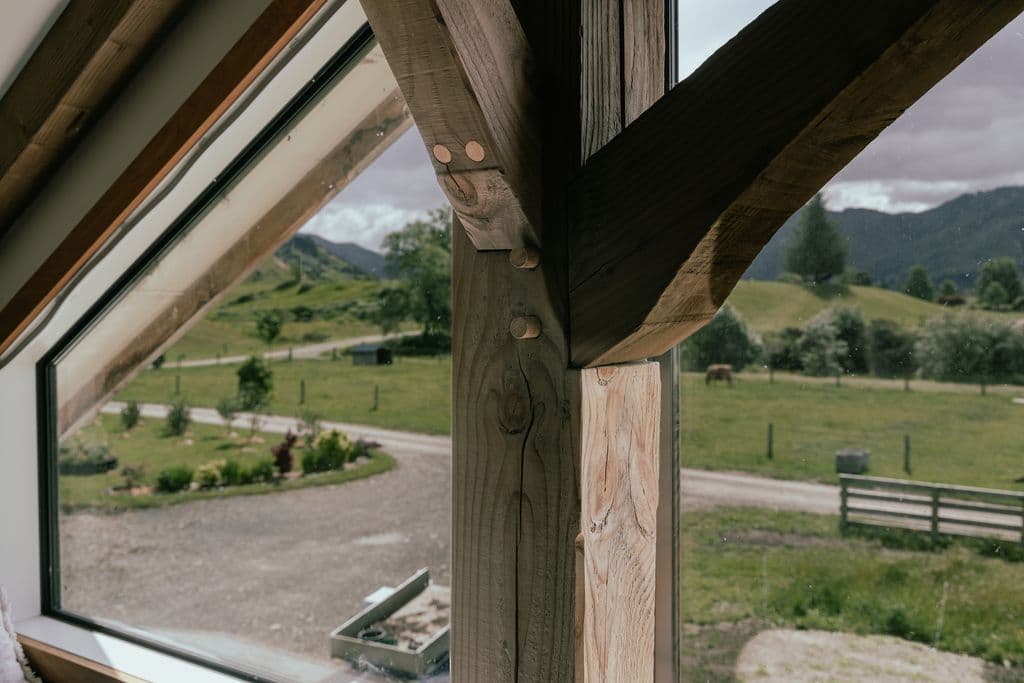
Mortise and tenon is the original method of timber construction, dating back thousands of years.
We co-create architectural experiences. Our expertise in mortise and tenon joinery and bespoke timber systems allows architects like you to deliver spaces where structure becomes art.
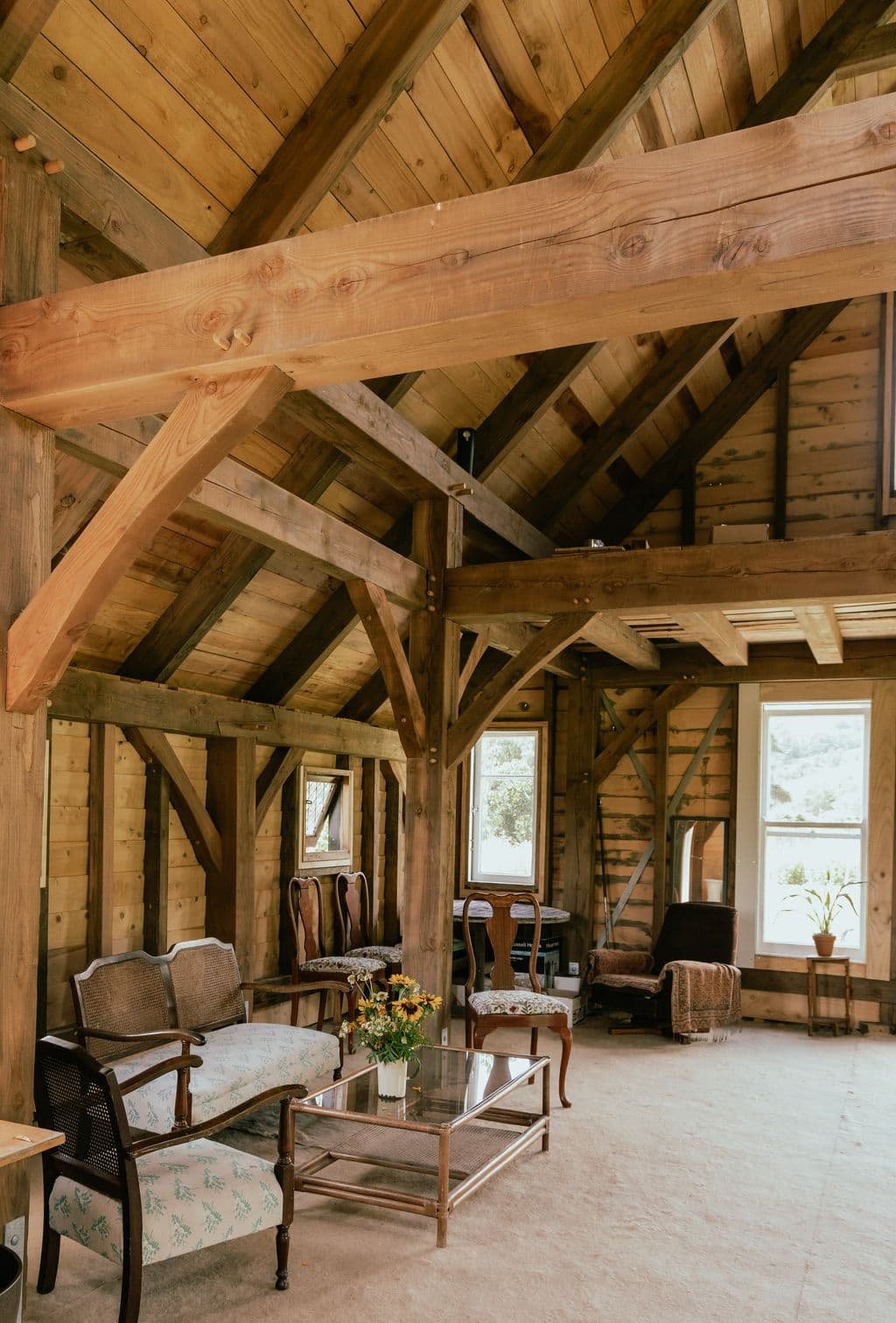
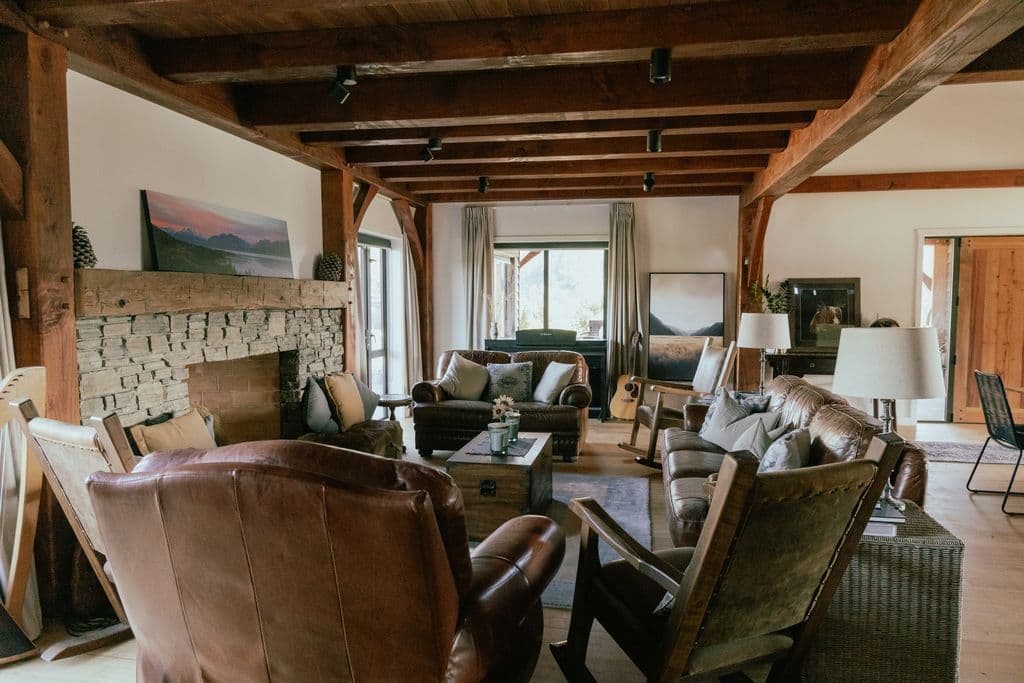
Largely replaced by steel or laminated pine in modern construction, mortise and tenon joinery is rarely practiced these days - yet it remains the most authentic and high-quality way to build with timber. It uses wood joints finished with a chisel and mallet instead of metal connectors to create a strong post-and-beam skeleton. Hardwood pegs secure the joints, allowing the frame to carry full building loads. Diagonal braces are also used to brace the structure from high winds and earthquakes, allowing for larger windows and full glazed gable ends, precluding the need for steel portal frames. Exposed timber can also become a striking feature of the interior design.
Why Mortise and Tenon Timber Framing
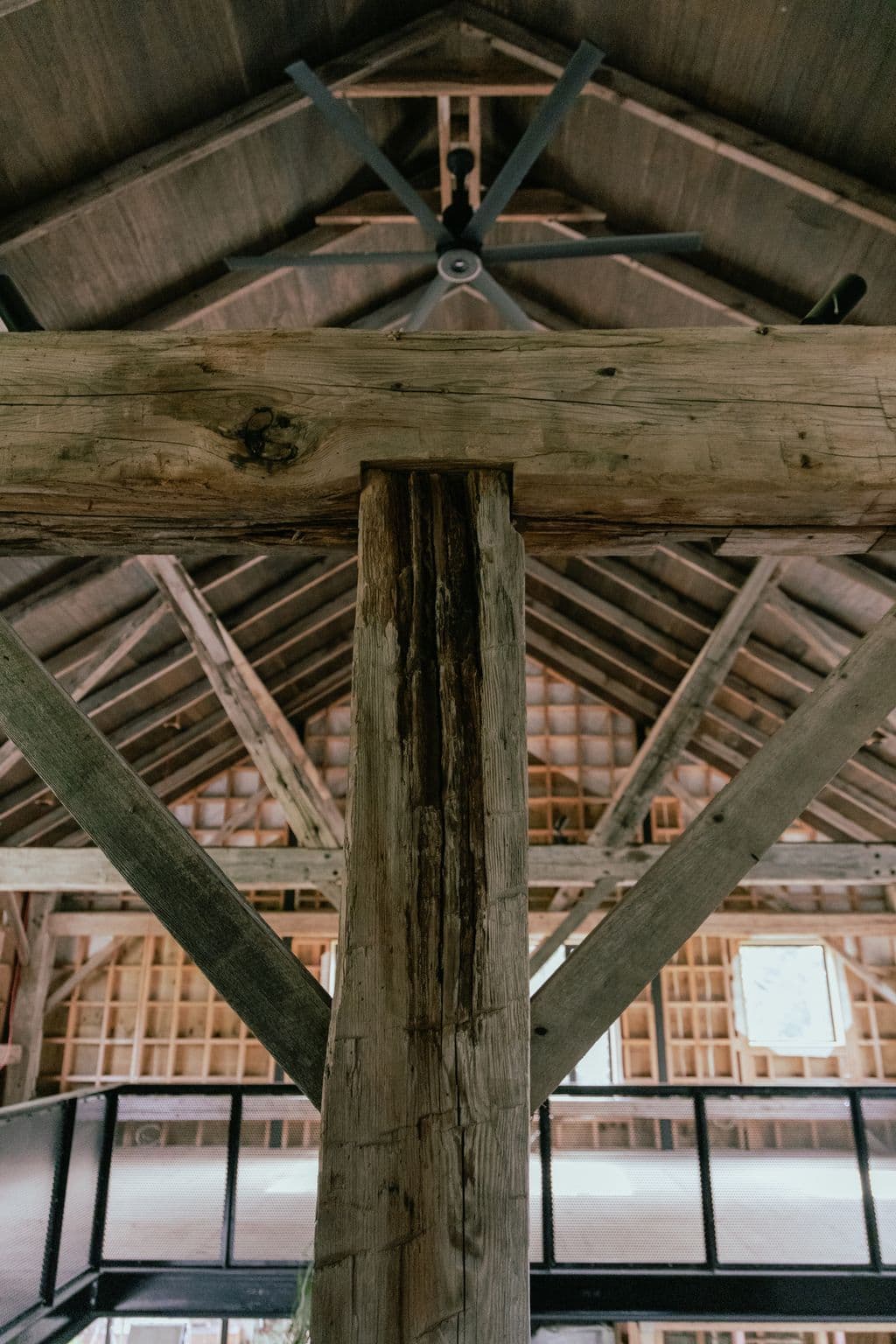
Structural Expression
With mortise and tenon joinery, the structural system becomes an integral part of the architectural expression. Exposed beams, braces, and joints articulate the load paths, creating spaces where structure is on display and celebrated. The scale, craftsmanship, and tactile presence of heavy timber establish a spatial richness and aesthetic depth unattainable with conventional light framing.
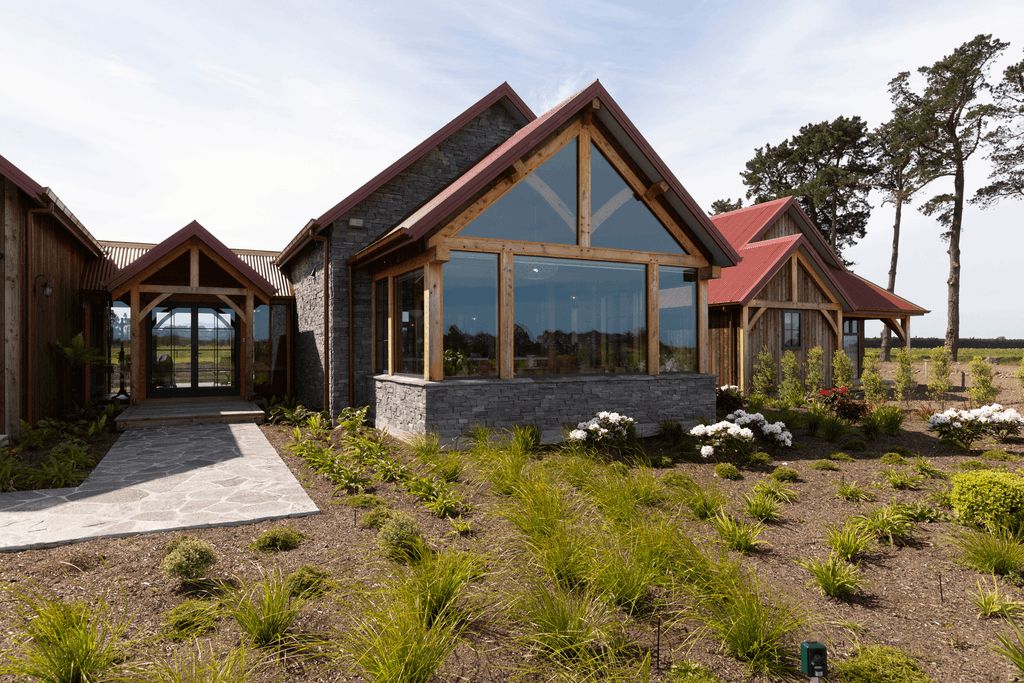
Architectural Freedom
Liberate your design intent by concentrating loads in posts and beams rather than walls. Window placement, interior layouts, façade composition, and vaulted or trussed roof forms can all be executed without structural compromise. This flexibility makes timber framing ideal for barn homes, rural estates, lodges, and contemporary open-plan residences.
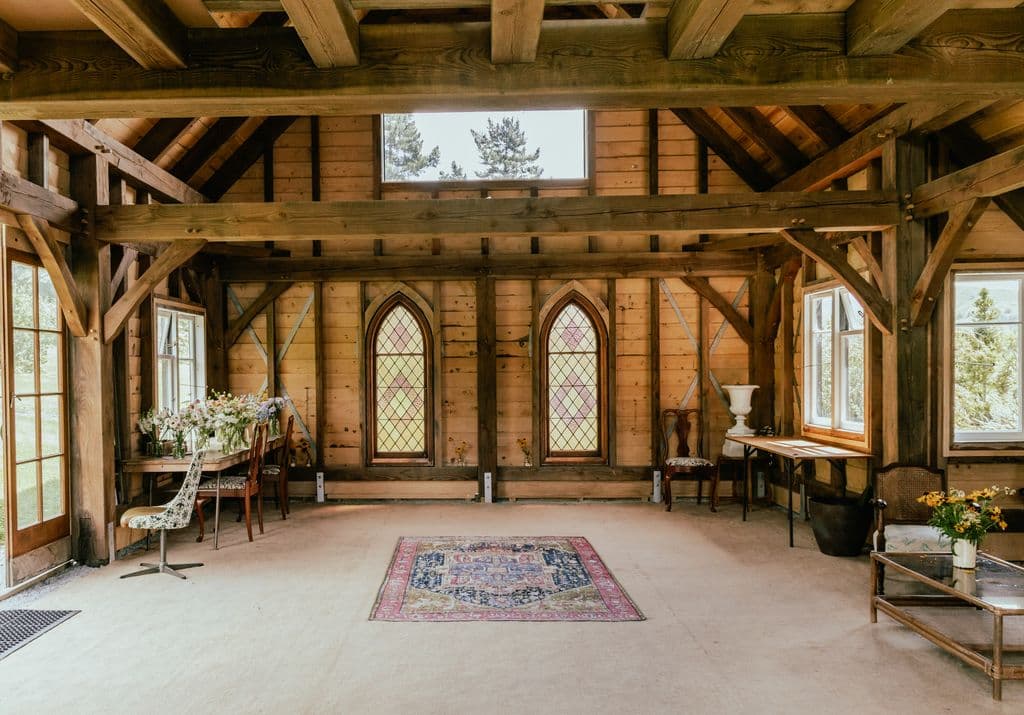
Large Open Spans
With structural loads carried by the timber frame rather than walls, interiors gain remarkable openness and flexibility. This allows for expansive living spaces, cathedral ceilings, generous glazing, and adaptable floor plans. Historically, timber frames enabled the construction of large halls, barns, and temples, demonstrating their capacity to span significant distances with elegance and strength.
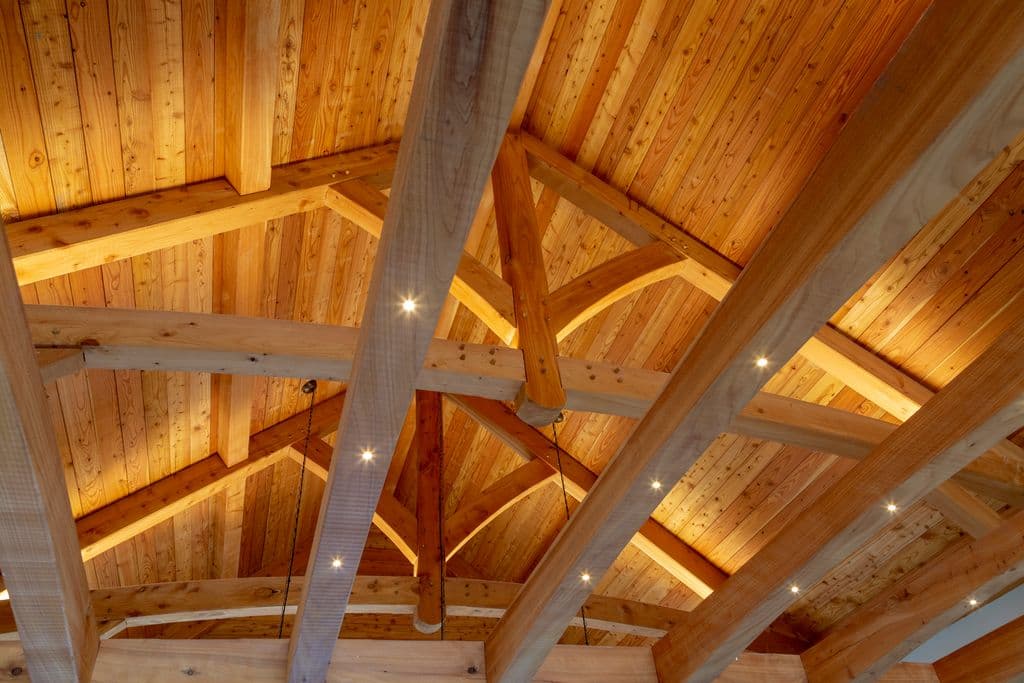
Trusses, Barns
We have a range of truss and barn designs that can conveniently bring character to any project. Handmade here on our farm in Hawke's Bay from locally sourced timber, each structure is tailored to your design specifications, combining functional strength with striking aesthetics.
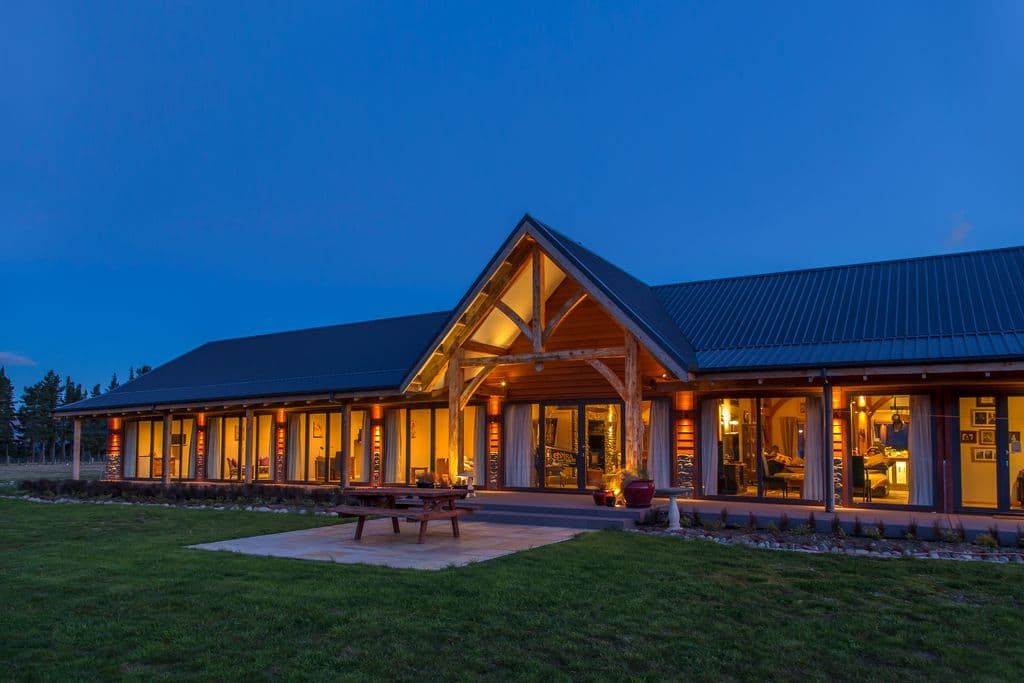
Hawke's Bay Grown Timber
We source premium logs from Hawke's Bay. The area's dry summers produce famously tight growth rings, resulting in exceptionally strong and durable timber, including Elm, English Oak, Japanese Cedar, Lawson Cypress and Douglas-fir. Offering beautiful grain, durability, and cost-effective alternatives to imported Australian hardwoods.
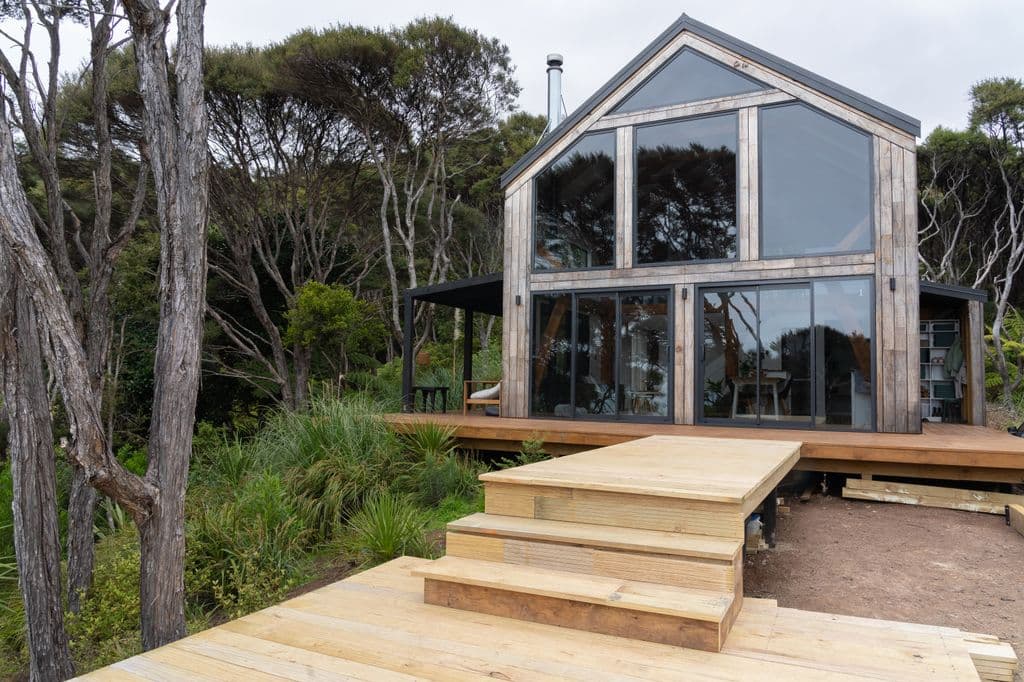
Glazed Gable Ends
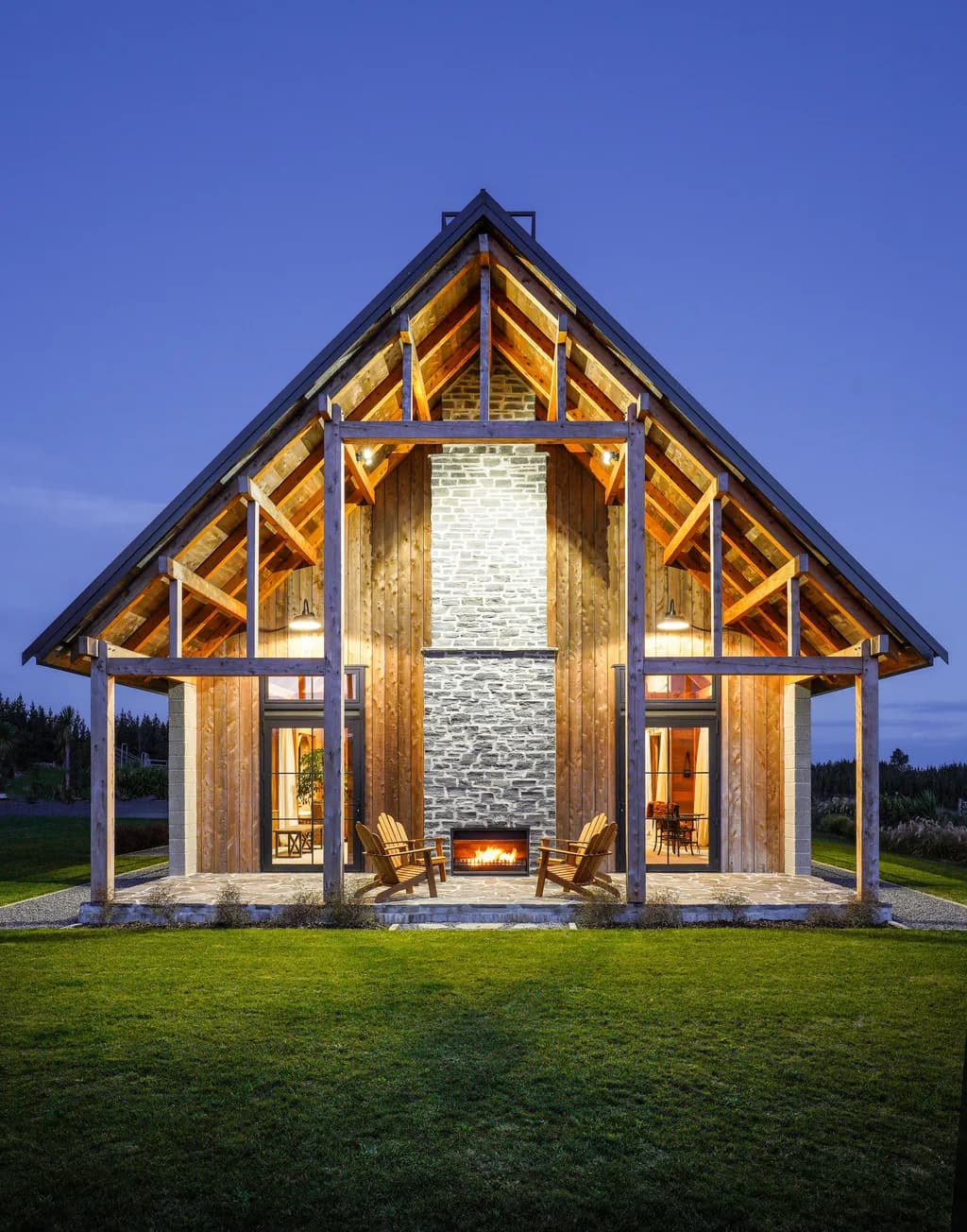
Our timber frame system allows seamless integration of glazed gable ends into architectural designs. The combination of structural strength with exposed timber aesthetics can enable expansive openings, abundant natural light, and striking architectural statements without compromising performance.
Durability
Over the past 20 years, we have undertaken extensive research into alternative timber species that balance natural beauty with compliance under New Zealand’s durability requirements. This work has resulted in an established Durability Statement Document, accepted by councils nationwide, giving architects confidence in specifying our systems.
This enables the use of untreated heart macrocarpa in external applications such as verandas and trusses - achieving both performance and a natural, untreated finish. Douglas-fir can also be utilised where required, with appropriate treatment to meet durability standards.
In addition, our sister company, based on-site, supplies a range of durable, locally suitable cladding options, including Japanese cedar, macrocarpa, and redwood - providing a cohesive material palette across both structure and envelope.
Longevity
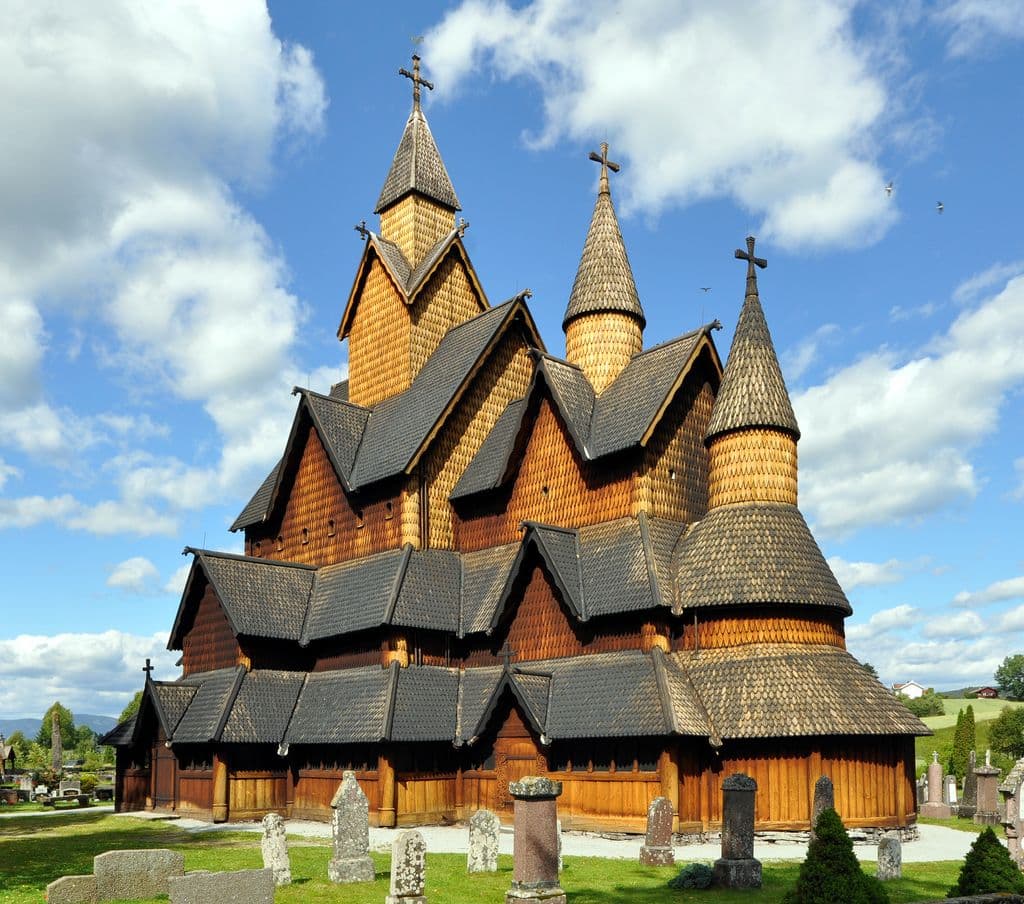
Mortise and tenon joinery has been trusted in architecture for centuries, from Ancient Egypt and Rome to Scandinavian stave churches (pictured) and North American settler barns. When expertly crafted, these tight-fitting joints distribute loads efficiently and resist separation, creating timber frames that are not only strong but built to last - often for hundreds of years, as many historic examples still demonstrate today.
No maintenace
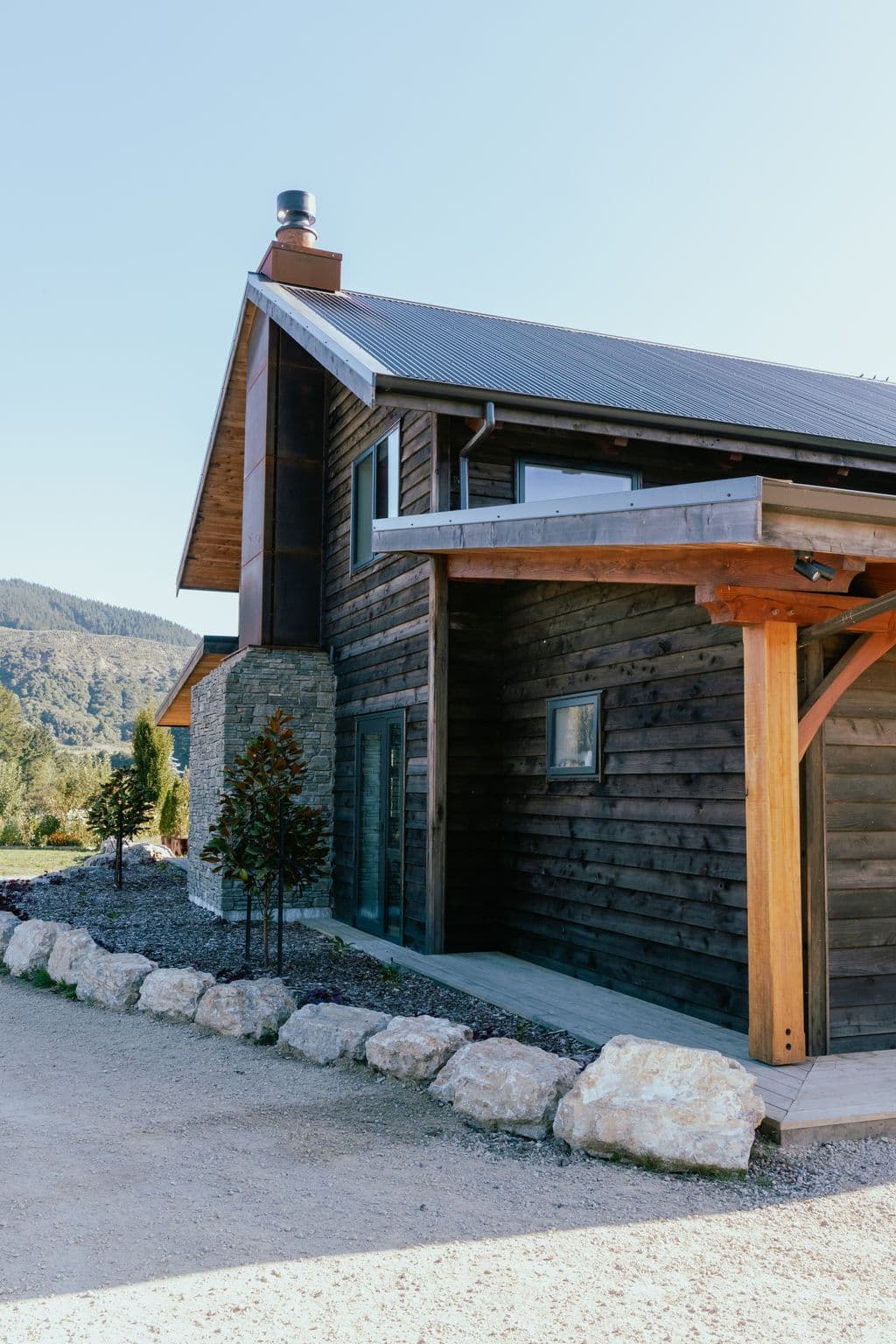
We offer a low-maintenance solution for exterior timber through the application of a specialised salt-based treatment. This promotes a natural greying of the timber while inhibiting fungal and lichen growth.
As a result, beams and cladding can be specified without the need for ongoing oiling or re-staining - significantly reducing lifecycle maintenance and associated costs.
Importantly, the treatment supports a more consistent weathering process, allowing timber to develop an even grey patina across both UV-exposed and more sheltered areas, like under eaves. The result is a cohesive, natural aesthetic that improves with age, without the burden of upkeep.
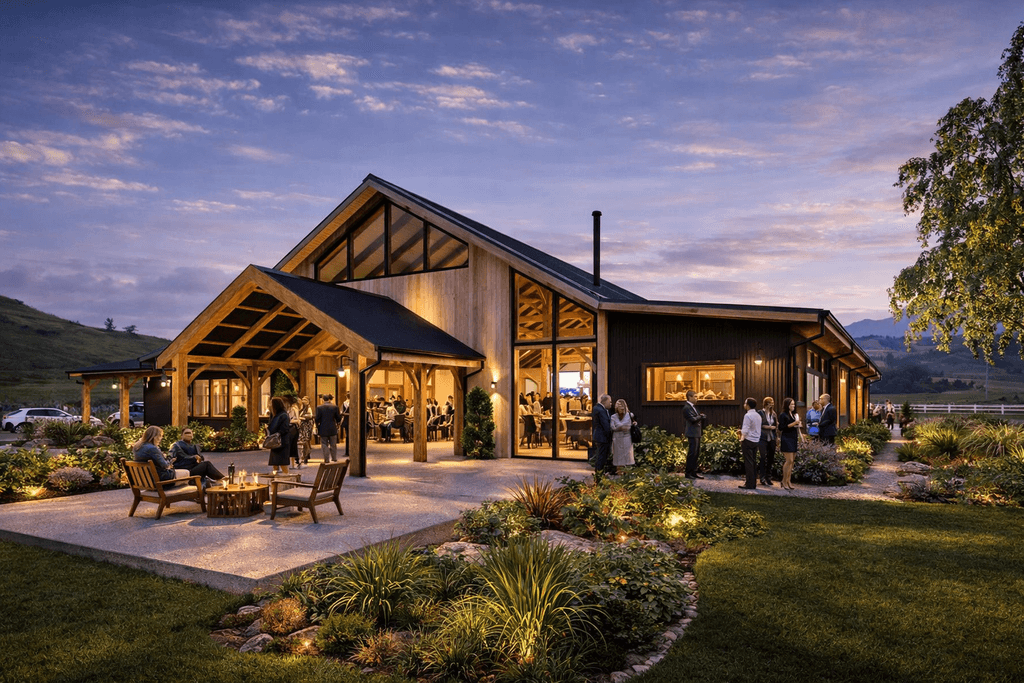
Mortise and tenon timber framing is particularly suited to:
Residential
- Barn homes
- Rural estates
- Hill builds
- Waterfront homes
Hospitality
- Lodges
- Wedding venues
- Retreat centers
Accessory Buildings
- Barns
- Pavilions
- Workshops
- Garages
The structural rhythm of timber frames also creates strong spatial sequences for large interior rooms such as great rooms and halls.
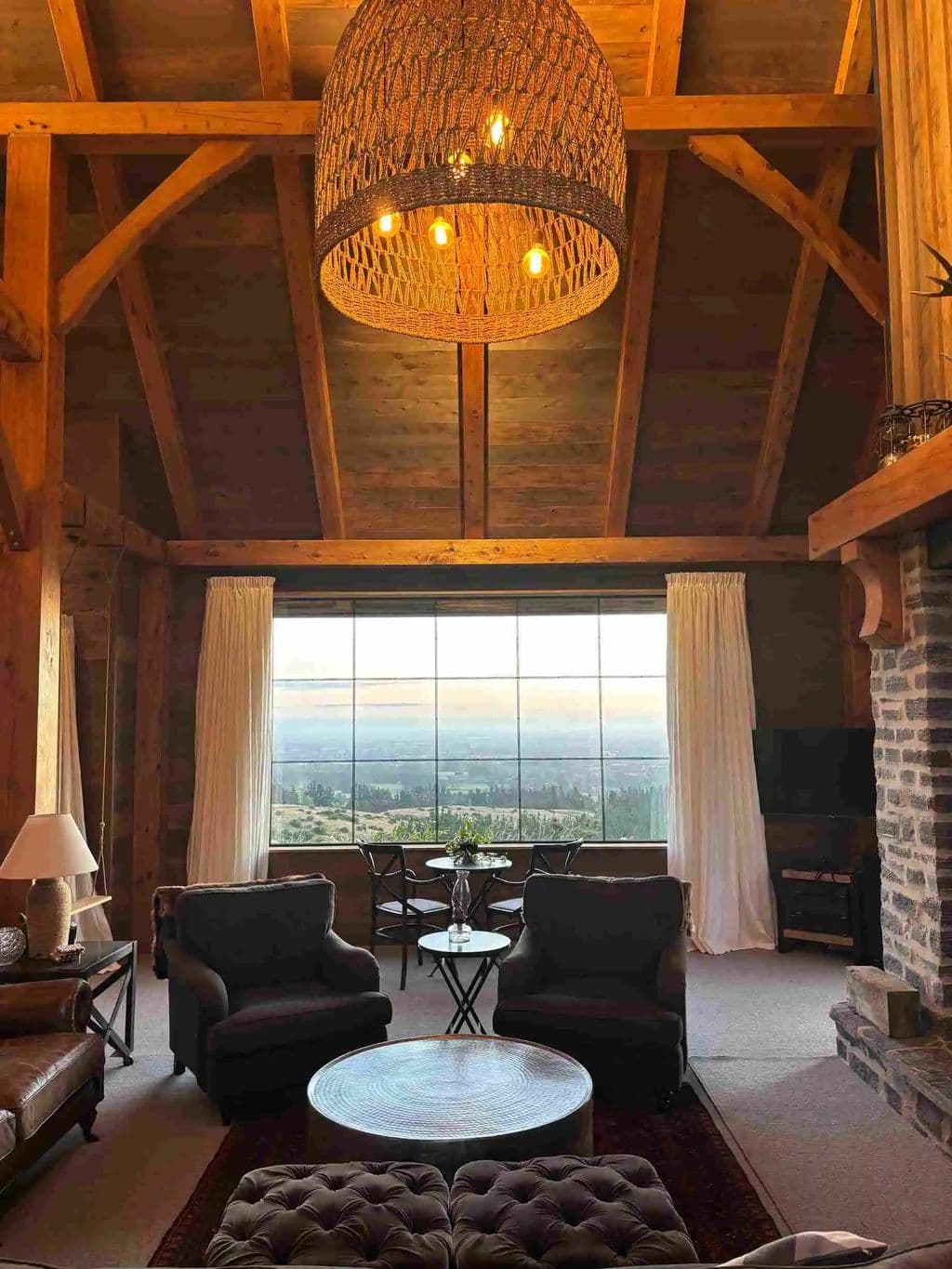
Typical architectural features enabled by timber framing include:
- vaulted ceilings
- exposed trusses
- wide structural bays
- open-plan living spaces
- large glazing walls
Because the frame carries the structural loads, walls can be designed primarily for light, views, and enclosure.
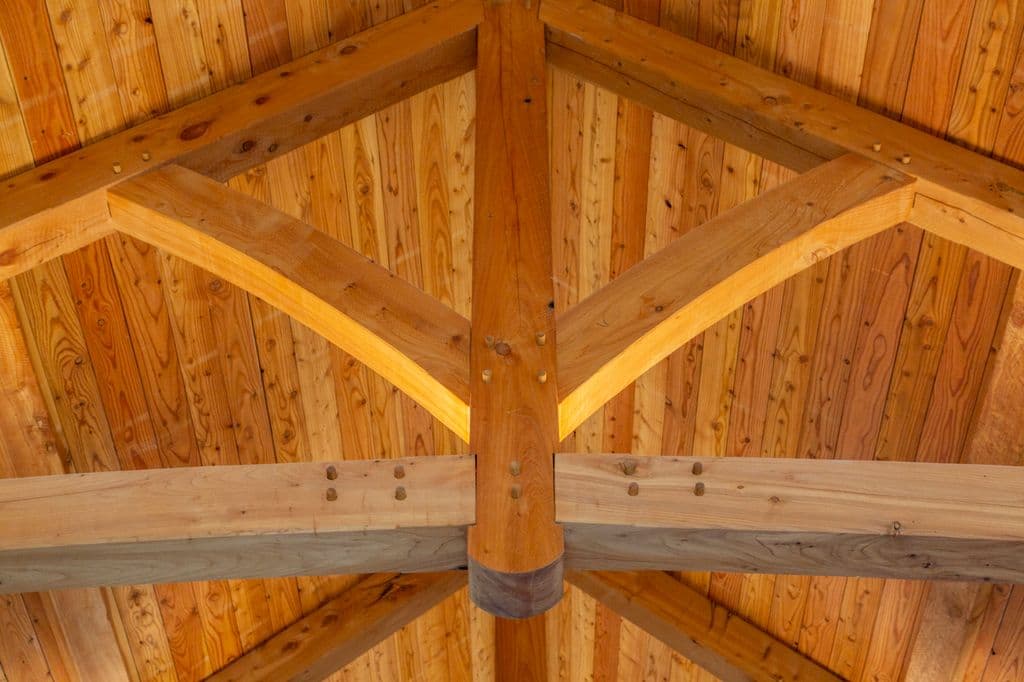
We enjoy collaborating with architects to support the successful integration of timber framing into their projects. Besides sourcing and preparing exquisite New Zealand timber, our team provides expertise across:
- Structural frame layout
- Connection detailing
- Foundation engineering
- Truss design and engineering
- Span design and engineering
- Integration with conventional construction systems
This collaborative approach allows you to design the building envelope with more freedom, while the timber frame forms a strong, efficient structural backbone.
You lead the consenting and documentation process - we support you at the concept stage to help refine designs that are structurally efficient and minimise reliance on steel portal frames. The result is a cohesive, well-resolved solution that works both architecturally and structurally.
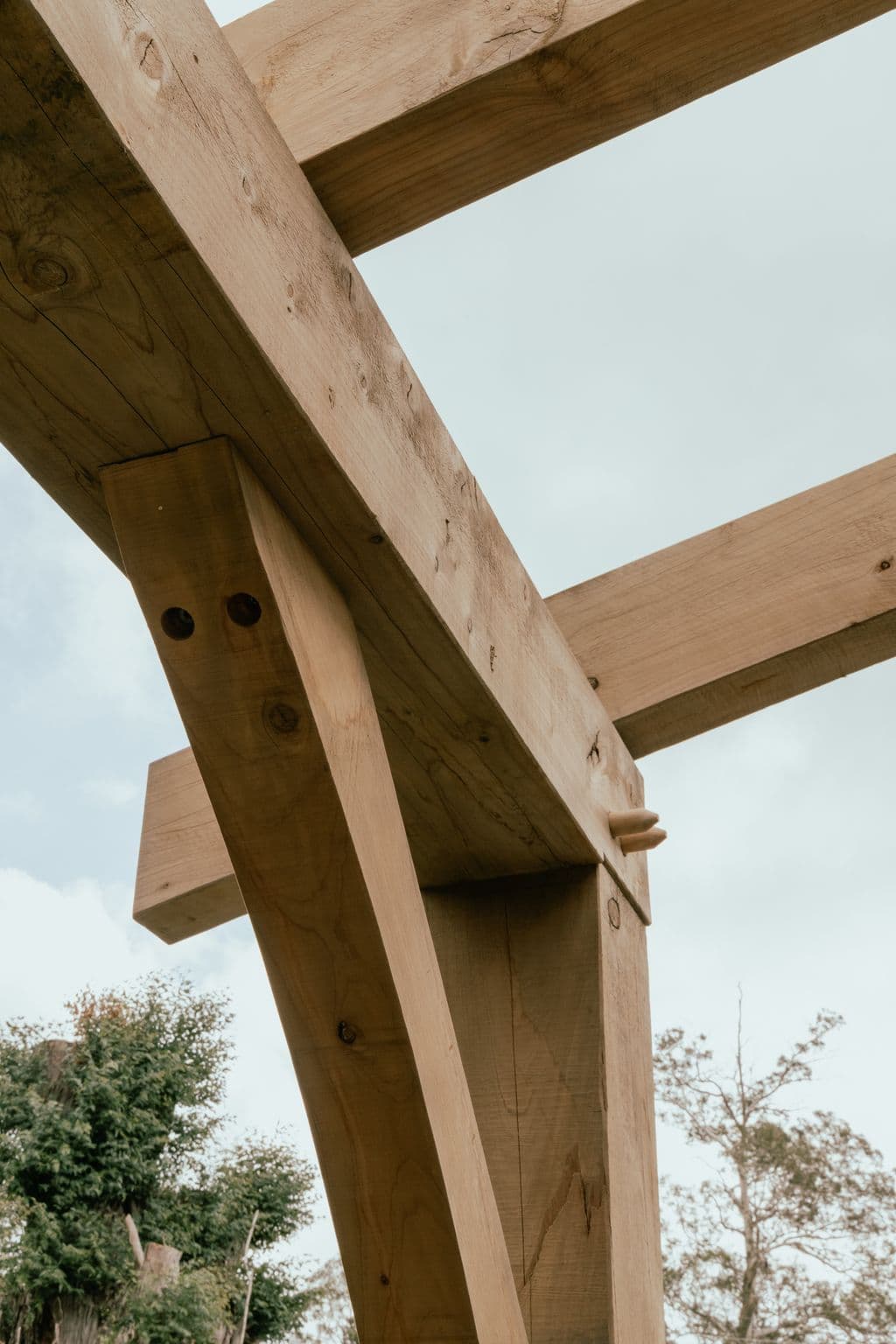
We offer both modular and bespoke timber frame systems, tailored to suit the specific needs of your project. With extensive knowledge of timber species and span capabilities in New Zealand, we can advise on the most appropriate structural solutions.
Our range includes SG6 through to SG12 graded timber, enabling us to accommodate a wide variety of spans and load requirements. Where needed, we also have the capability to carry out structural testing on individual beams to ensure performance and compliance.
Design-First Collaboration
- We partner early in the design phase, helping you integrate timber as a defining architectural feature, not just a structural component.
- Concept sketches, CAD/Revit details, and structural consultation provided.
Bespoke, High-Quality Craftsmanship
- Traditional joinery meets contemporary design, delivering exposed beams, trusses, and statement frames that advance every project.
- Fully customisable solutions for unique residential and boutique commercial developments.
Risk Reduction & Build Confidence
- Engineered for efficiency, code compliance, and buildability.
- Minimises costly surprises on site while ensuring your vision remains intact.
End-to-End Support
- From early concept to project completion, we provide guidance, documentation, and installation oversight.
- Your design intent is our priority.
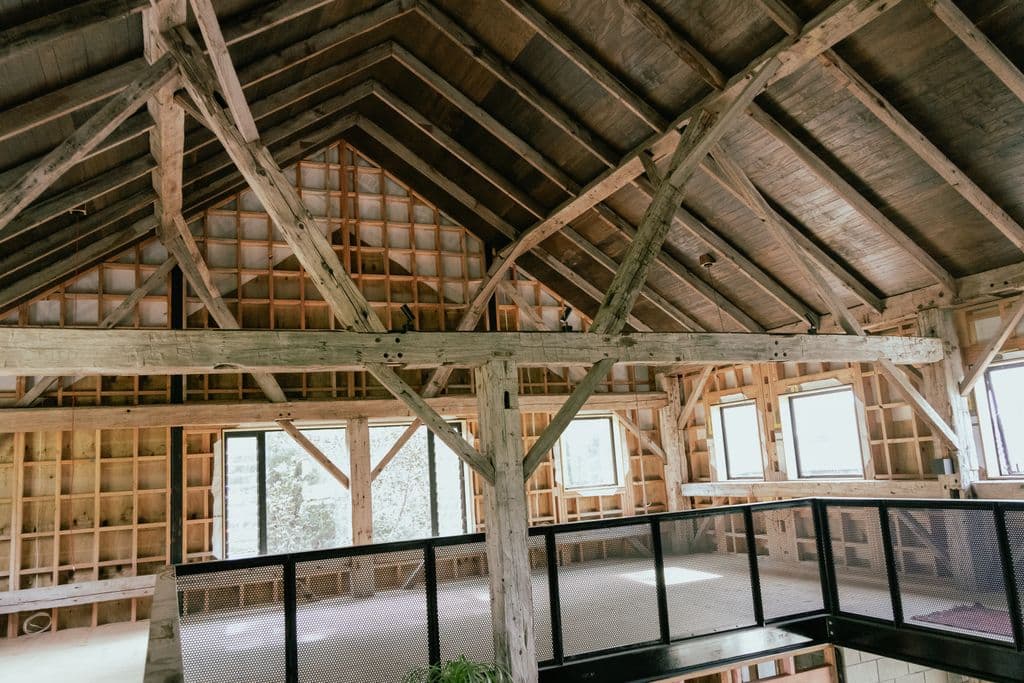
We can also source reclaimed barns from the U.S. Learn more.
Best outcomes start with early collaboration. For seamless execution and a standout design, contact us at your concept stage.
About Heritage Timbercraft
Forest to Frame
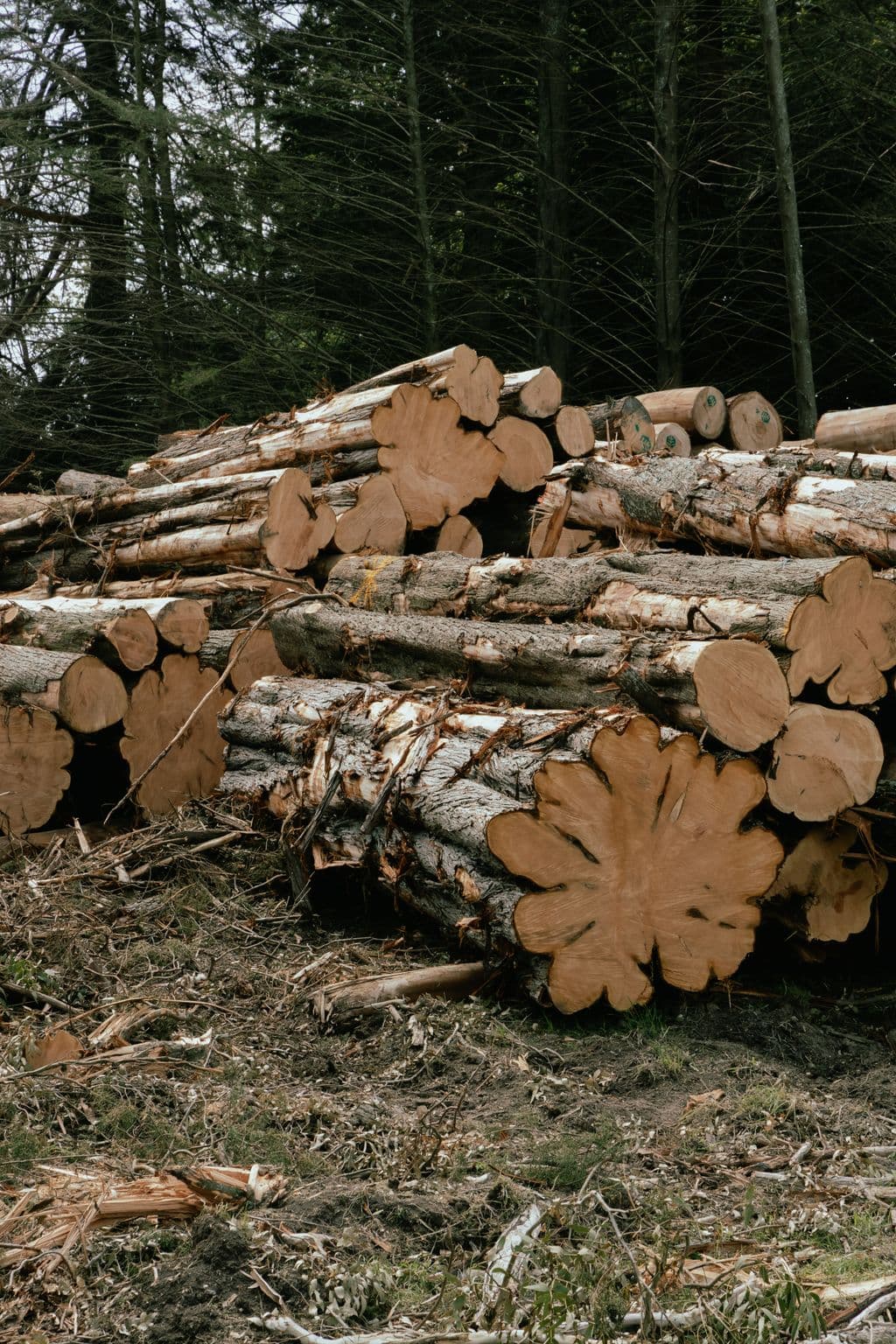
We manage the entire process from tree to finished frame, making it straightforward for architects like you to incorporate New Zealand’s finest timber into your projects. Working directly with private plantation owners on local farms, we carefully select and harvest sustainably grown trees, prioritising quality, grain, and structural performance.
Once harvested, the timber is milled and graded to precise specifications, ensuring stability, durability, and optimal workability. Using premium species such as English oak and elm - timbers rarely available in New Zealand - we craft each component to the exact requirements of your design, whether modular or bespoke.
This meticulous approach allows architects to fully express their vision, from exposed structural elements to subtle detailing, while benefiting from a reliable, locally sourced supply of exceptional timber. By controlling every step of the process, we ensure consistency, precision, and the ability to bring ambitious, open-span, or glazed designs to life with ease.
Engineered
Our mortise and tenon joinery - including oak pegs and connections - has been tested in New Zealand, allowing our engineers to accurately assess load capacities for gravity, wind, and seismic conditions.
Timber framing efficiently carries gravity loads, while lateral performance is addressed through a combination of timber diagonal braces and conventional bracing systems (like plasterboard), tailored to site conditions and design requirements.
For alternative construction systems like straw bale or adobe, the timber frame can act as the primary structural and bracing element. In higher wind and seismic zones, this may involve strengthening connections with steel plates, bolts, or screws to meet performance demands.
With over 20 years of experience delivering timber frame homes across New Zealand - including high wind and earthquake-prone regions - and working with councils nationwide, our systems can be confidently integrated into a wide range of architectural projects.
Visit us
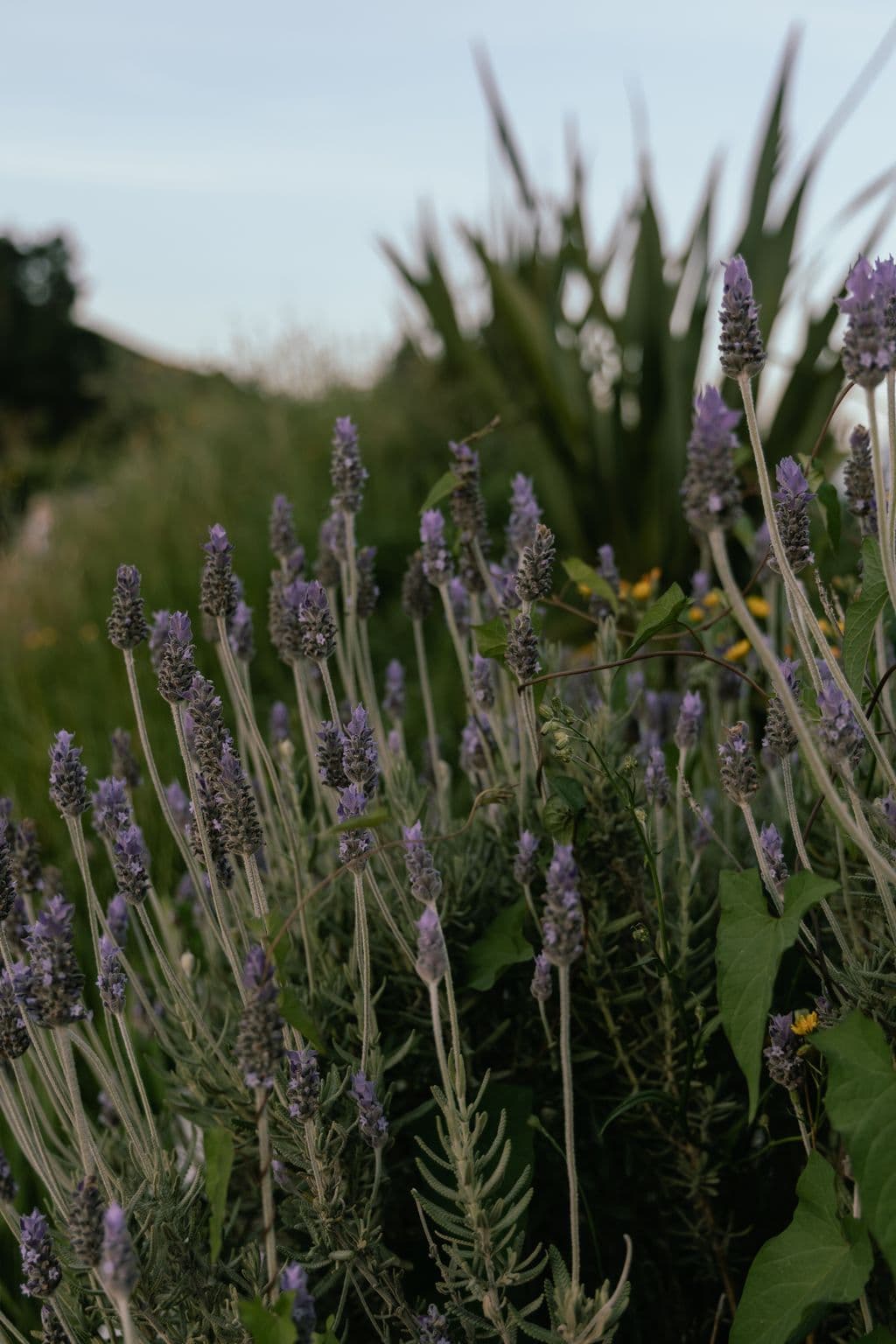
Building with us is an immersive experience - one where both you and your client are invited to be part of the process from the very beginning.
Set on a working farm in Hawke’s Bay (between Taupo and Napier), our workshop is central to this experience. We encourage our clients to spend time here on-site - seeing, up close, how the timber is felled, graded, milled, and crafted specifically for their project.
We also have three handmade mortise and tenon timber frame barn show homes right here on our farm, available to explore, ranging from entry-level through to high-end builds. We invite clients to stay, walk through the spaces, and speak directly with the craftsmen who have been honing their skills here for over 20 years.
For those unable to visit, we maintain that connection by sharing regular photo updates and progress insights, ensuring you remain part of the journey as your frame takes shape.
On-site, you and your clients can:
- View the milling process firsthand
- Explore timber selection and grading
- Gain insight into traditional joinery and modern fabrication
- Build a direct relationship with our team
- Walk through and view up close three completed handmade barn homes
It’s a hands-on, transparent process that brings clarity to construction - and a deeper connection to the finished architecture.
Experience: Visit our mill, enjoy our hospitality here on the farm, meet our team, and see your timber transformed into architectural elements.
Clarity & Confidence: Transparent, predictable, easy-to-understand pricing.
Proven Excellence: A portfolio of high-profile, design-led projects.
Design-Ready Timber: Premium materials engineered to make your concepts buildable.
Collaborative Partnership: Relationships that stand the test of time.
Get in touch
Register for occasional updates

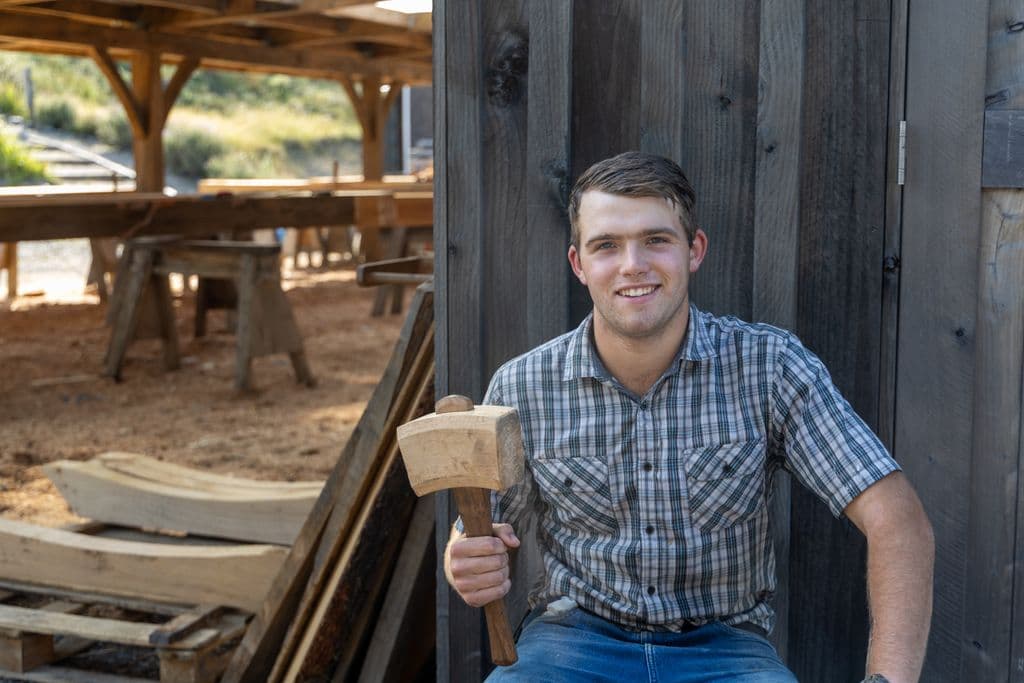
Join us here on the farm, see up close how we turn timber into legacy.