-1.svg)
.svg)
.svg)
Mar 10, 2026
About mortise and tenon
While many modern timber houses use engineered or interlocking systems designed for speed and efficiency, traditional mortise and tenon timber framing represents a very different philosophy of building. Both have their place; the following is an overview of mortise and tenon timber framing.
A Structural Frame Designed to Last
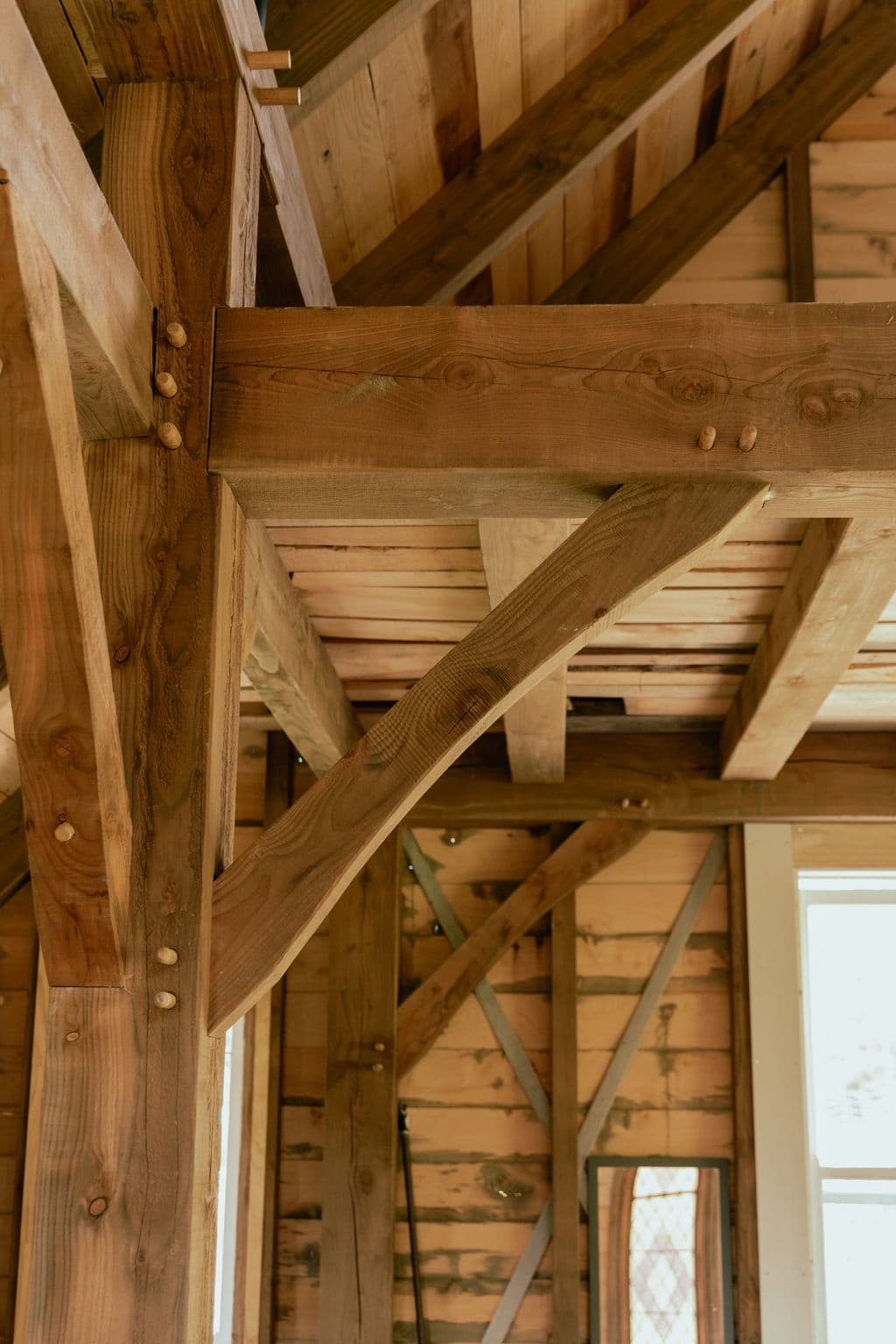
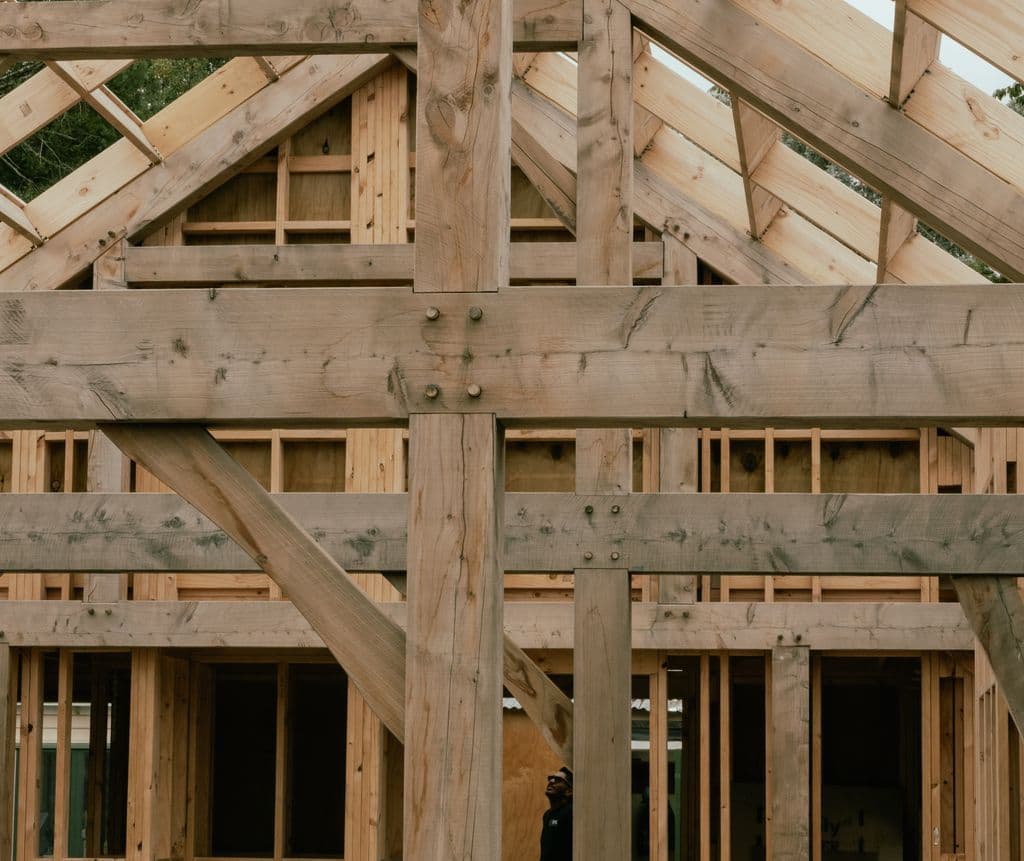
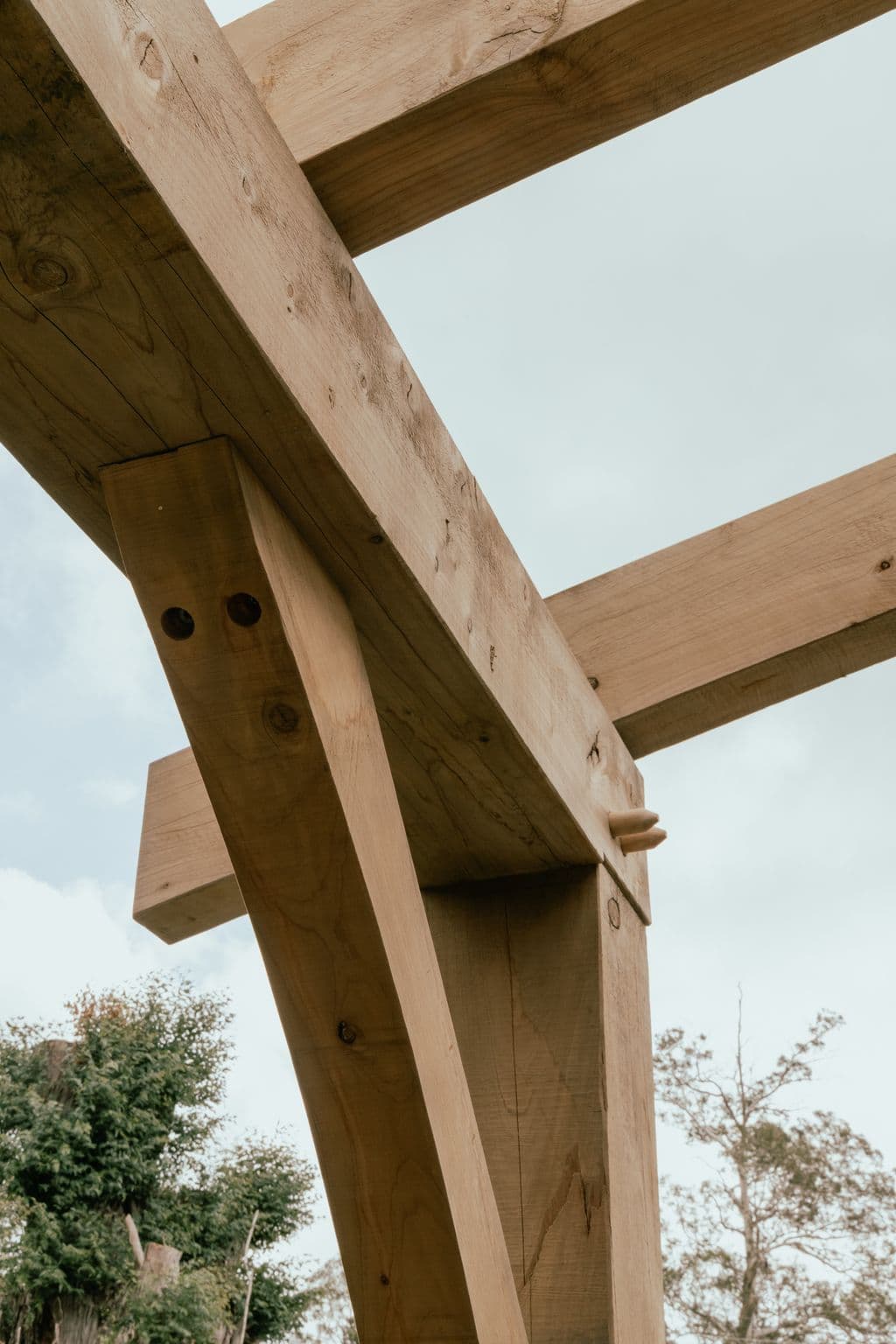
Mortise and tenon timber framing uses a structural skeleton of large posts and beams joined with traditional timber joints. The joints are finished using a chisel and mallet and are hand-crafted using a range of hand tools. Each joint is carefully fitted by hand before being secured with hardwood pegs (we use oak pegs) rather than metal fasteners.
This method creates an incredibly strong, flexible structure capable of carrying the full load of the building. Because the frame itself provides the strength, the walls can be used for more decorative, aesthetic purposes. It was mortise and tenon joinery used in building great structures from ancient Egypt to ancient Greece and Rome, medieval Europe and in great Japanese and Chinese architecture. Many of these buildings - temples and the like - were enormous, heavy structures. Some, which have escaped man-made wars, fires and other forms of destruction are still standing to this day, over 1,000 years since they were built.
Interlocking timber systems work differently. They rely on stacked or mechanically connected timber elements to form structural walls. This is efficient and effective for certain applications. One of the tradeoffs though is it means the walls themselves carry much of the load, which limits architectural flexibility and the option to create large open spaces.
Mortise and tenon allows for large open spaces.
The Value of Handcrafted Joinery
At the heart of traditional timber framing is the beauty of its joinery. Mortise and tenon joints are cut and fitted by hand, allowing each piece of timber to connect with the next.
This process is slow, skillful and extremely rare nowadays - because most people understandably opt for faster, cheaper manufactured options like interlocking timber systems. The payoff of the slower handmade mortise and tenon approach however is a structure that feels fundamentally different from manufactured building systems. Every frame carries the subtle marks of traditional craftsmanship and the character of the timber itself.
What is often overlooked, or not known - even by most architects - is that a feature roof truss made with mortise and tenon joinery, using untreated New Zealand grown timber - can replace the steel portals which are typically used in New Zealand homes with feature trusses.
The strength of the frame comes from the geometry of the joints and the integrity of the timber.
This level of craftsmanship transforms the building process into part of the experience. Watching a frame come together - piece by piece - is a rare glimpse into a centuries-old tradition of building. A discerning few understand and appreciate the value of mortise and tenon in New Zealand, which doesn't have the same building traditions as in older cultures. It continues to have large, devout followings throughout North America, Japan, Scandinavia and Europe.
Architectural Freedom and Space
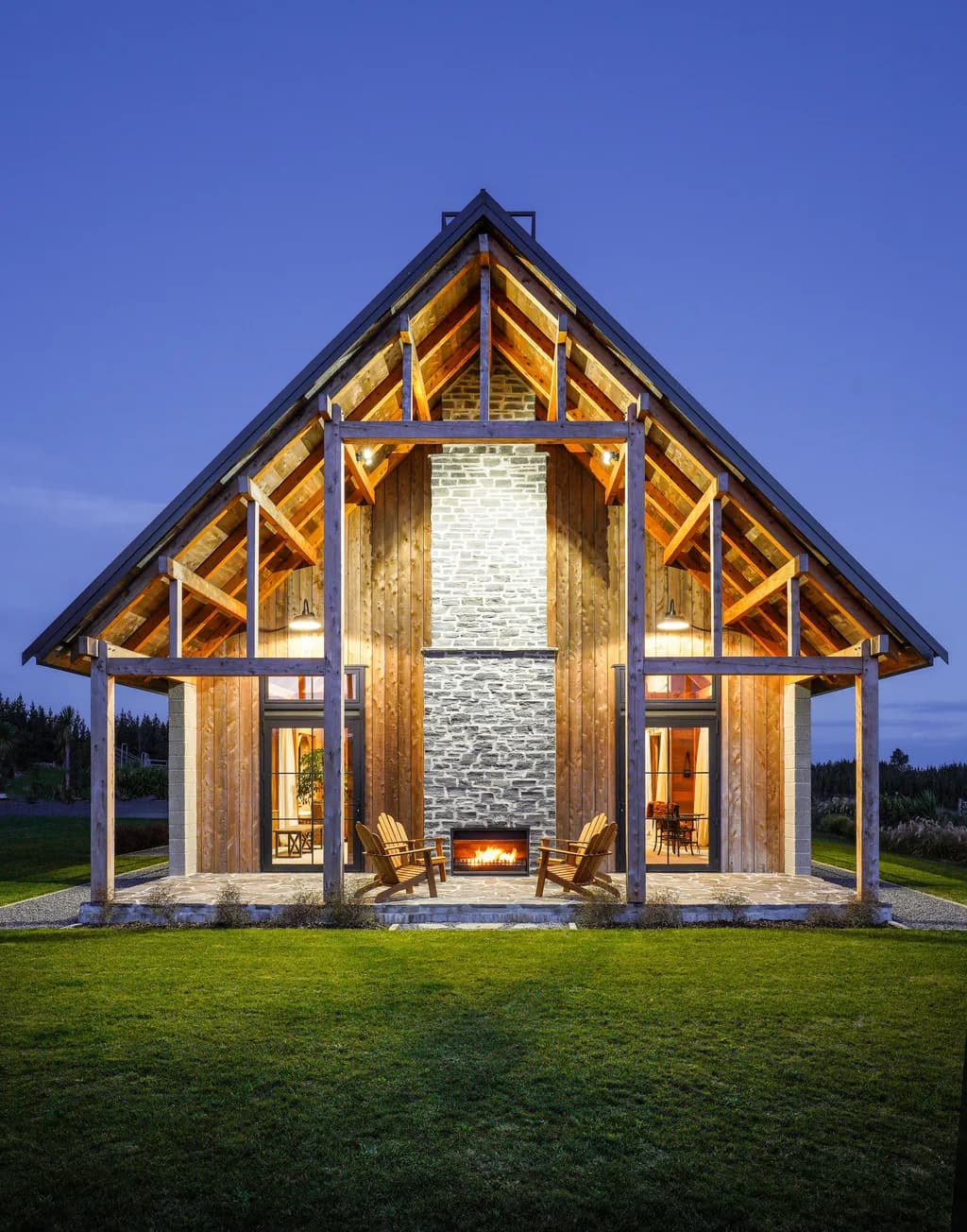
As mentioned earlier, because the timber frame carries the structural load, mortise and tenon timber framing allows for greater architectural freedom.
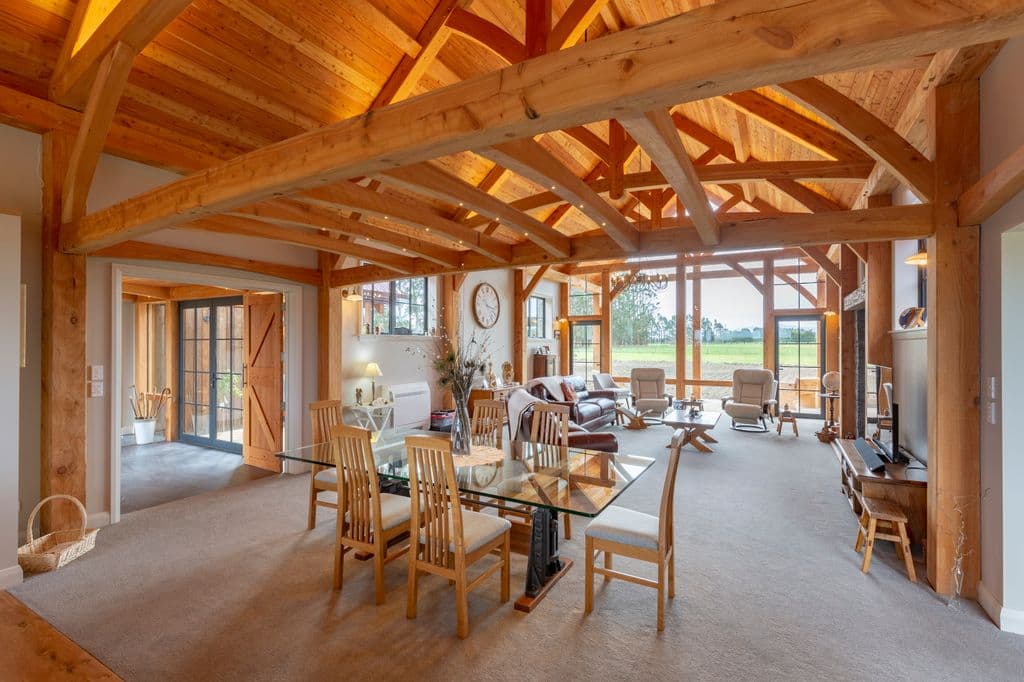
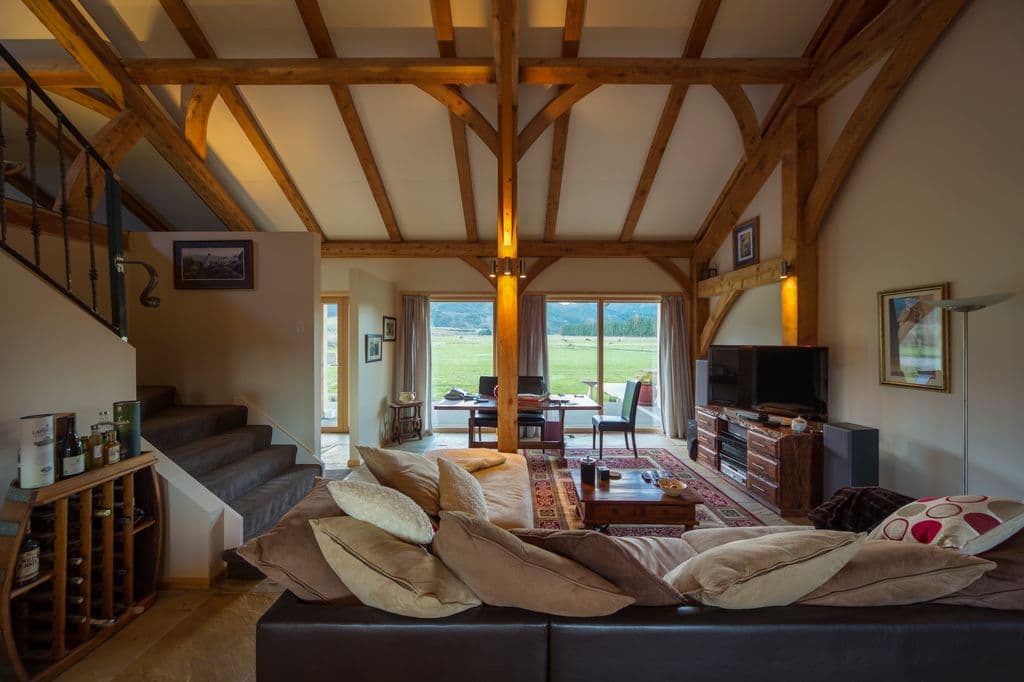
Large open-plan living spaces, vaulted ceilings, and expansive glazing become possible without relying on internal structural walls. The exposed beams and posts often remain visible inside the home; architectural features rather than hidden structural elements.
The result is a living space that feels open, warm, and connected to natural materials.
Built with Premium Timber
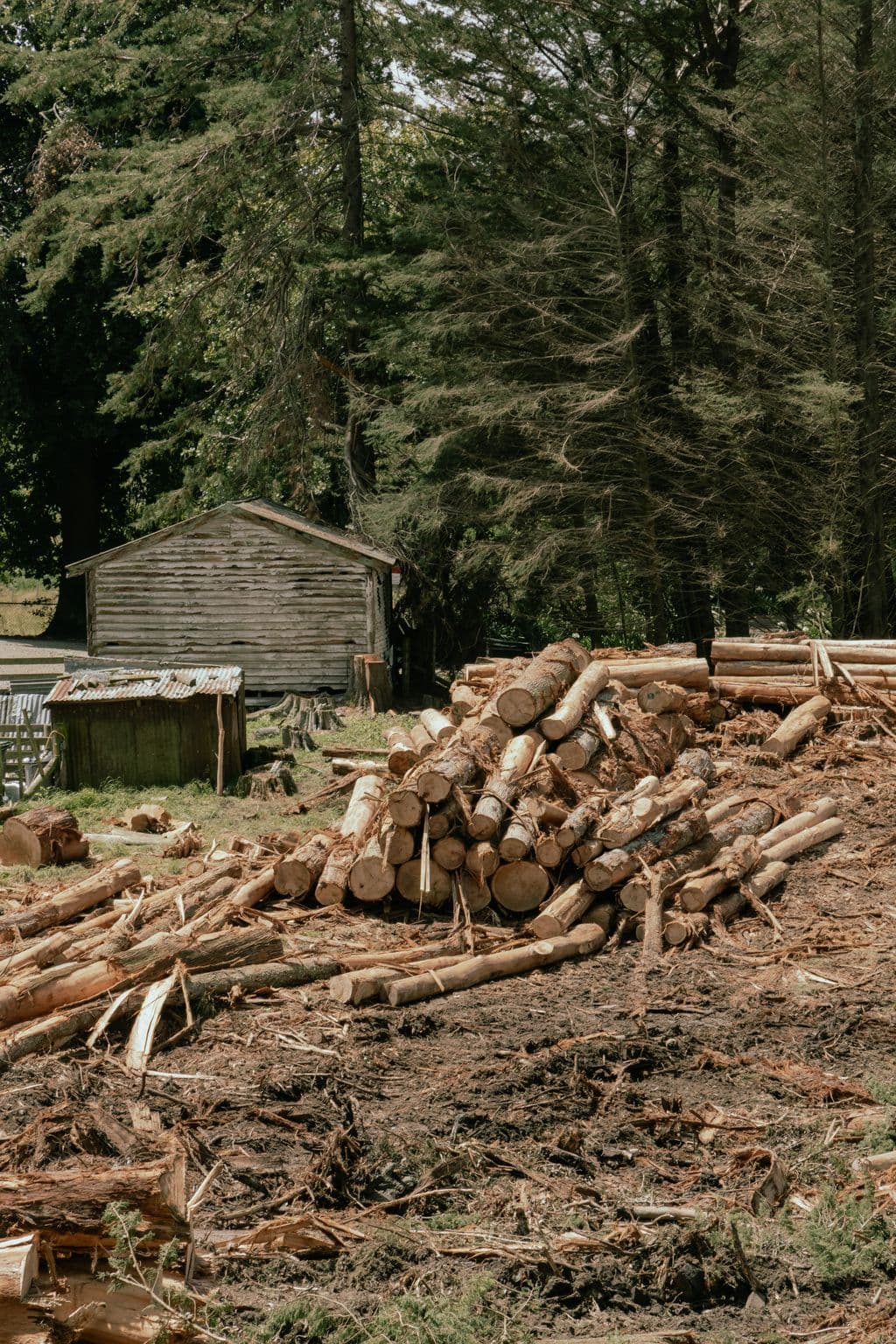
Traditional timber frames are constructed using large structural timbers selected for strength, durability, and character. In our case, we source our timber from private farms in Hawke's Bay. Timber grown in Hawke's Bay is about as it good as it gets, because of the warm dry summers the area is known for (which creates "moisture stress") the timber grows slower and more densely, resulting in far tighter growth rings. Tighter growth rings means denser, stronger timber. Timber grown further south or in cooler climates tends to grow faster, which may not be ideal for homes where quality is a top priority.
The scale and quality of premium Hawke's Bay grown timbers create a sense of solidity and permanence that is difficult to replicate with smaller manufactured components.
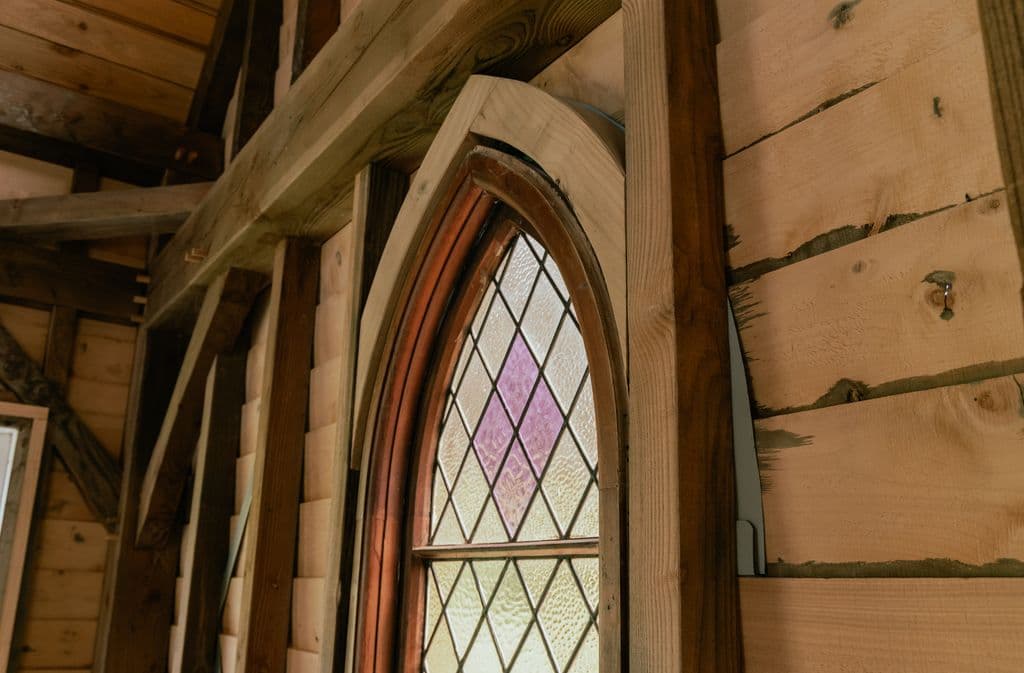
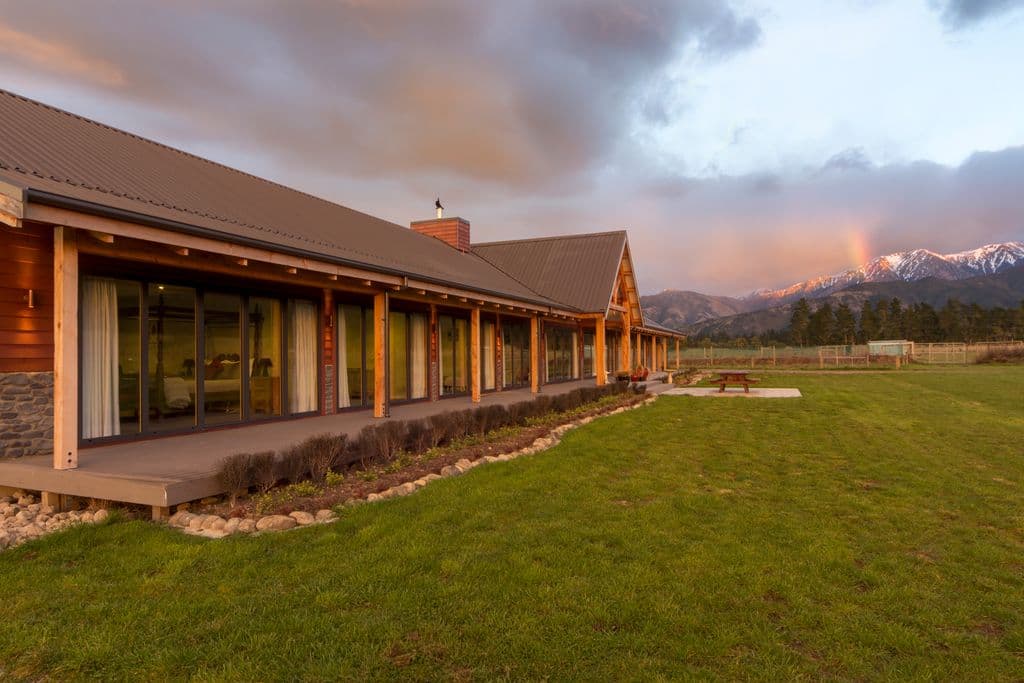
Over time, the timber frame becomes a key part of a home’s character. To fully appreciate this, you can visit mortise and tenon buildings - some over a thousand years old - still standing in places like England, Japan, and Scandinavia, as well as countless early settler homes in North America. Though the early stages of this character is on display too in the timber frame barn homes we have built around New Zealand, including the three mortise and tenon show homes here on our farm.
More Than a House: A Legacy
Modern interlocking systems offer speed and efficiency, and it would be great to see more uptake of them domestically here in New Zealand, because although they typically use lower grade timber like Radiata Pine, this is still preferable to virtually all of the synthetic building materials which have insidiously crept into New Zealand's construction supply chain over the past century.
Traditional timber framing offers something different: a home built with patience, skill, and intention. As well as exceptional timber and a highy personalised, fulfilling experience that keeps on giving.
The process, the materials, and the craftsmanship all contribute to a building that tells a story. It's not just construction.
In this way, mortise and tenon timber framing is about creating a place designed to be lived in, remembered, and passed down for generations.
-1-1024x683.jpg&w=3840&q=75)