-1.svg)
.svg)
.svg)
Mar 4, 2026
Foresight, faith, future
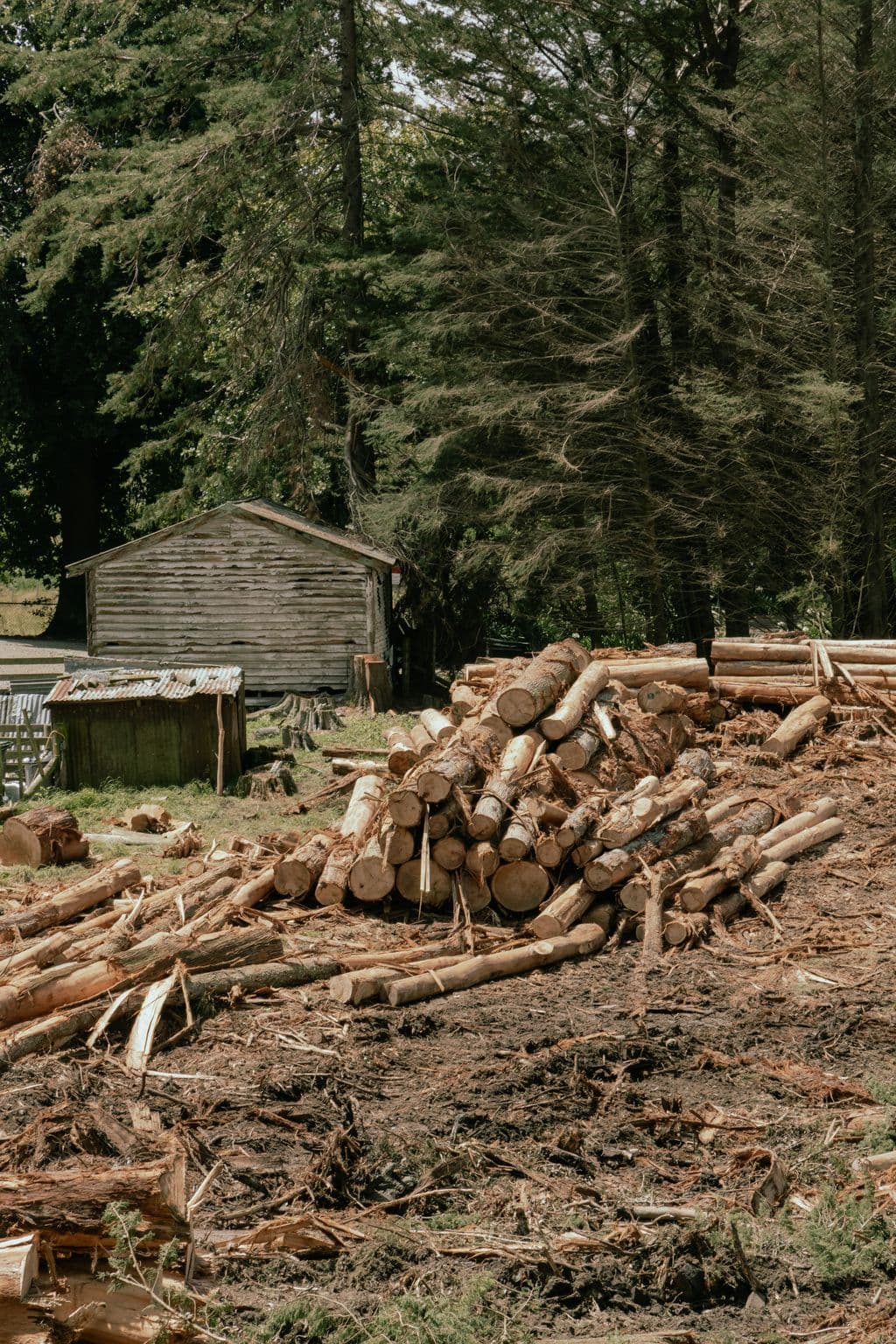
We felled 20 tonnes of 120 year old English Oak a few weeks ago. It's more than timber.
The 19th century was the era of renowned naturalists like Ralph Waldo Emerson (pictured below) and Henry David Thoreau. Prolific writers both (and close friends), their thoughts on nature's ability to teach life's deeper truths, balance and resilience were influential then, as they are now.
Here in New Zealand, late 1800s, it's entirely possible our ancestors were reading and absorbing the ideas of writers like Emerson and Thoreau. Whether they were or they weren't, what is certain is that among them, were men and women who were quite literally thinking ahead to the year 2026 (or hereabouts), when we - the future inhabitants of New Zealand would put to use the trees they were planting. How do we know that? Because it takes around 120 years for English Oak to reach its peak, and a few weeks ago - mid February, 2026 - we harvested 20 tonnes of it just a few hours from our sawmill here in Hawke's Bay.
They planted these trees for us - in the faith that we would respectfully integrate them into the next stage of life.
Image: "Large Meeting of Settlers and Maoris at a Native Village near Napier, Hawke's Bay, New Zealand." October 31, 1863 The Illustrated London News.
It's remarkable, when you think about it. The foresight, the faith, the confidence; the belief in the future. If that doesn't seem remarkable, consider what we as a country, our government, or even you personally are doing now which gives due consideration to future New Zealanders 120 years from now? Infrastructure in New Zealand doesn't seem to last long these days, whatever happened to our rail and inter island ferries - well, who knows, and how long do you expect to realistically wear the latest "fast fashion" garment you bought before it gets thrown in the waste bin?
Early settlers and pioneers aren't often recognised or celebrated in New Zealand as they are in many other countries. For those of you who appreciate the long-term view they took; breaking in the land, laying the foundation from which we all benefit today - we share the same appreciation as you do.
In the words of nameless immigrant who moved from Britain to Hokianga in 1906: “Two years and nine months ago I did the first bit of bush felling on my section. Now there are twelve acres sown in English grass and three acres in clover. Besides this there are eleven acres of fruit trees planted out at the rate of 108 trees to the acre. There are 432 Bartlett pears, over 300 peach trees and one hundred orange trees for marmalade, with 5000 strawberry plants and about 100 raisin grapes. I have done this to give myself and family a home and my children a good living.”
Quote taken from a 1908 campaign to promote New Zealand to overseas travelers. Archives New Zealand and Wikipedia.
These 120 year old English Oak were growing during every major event of the 20th century, to the advent of the internet, until last week when we carefully felled them, for their intended use.
Just as our ancestors planted them for our benefit a century ahead of time, we are preparing them to play their role for the next 120 years. And by the way - there is no reason they shouldn't last many centuries longer; beautiful timber buildings well over 1,000 years in age are strewn throughout Scandinavia, Europe and Japan. Ours is a stewardship role, taking care to pass on something we neither planted nor grew to a new generation of ownership.
The quality of the timber is nothing short of superb. We have butt logs up to 6.1m in length with no branching - which is rare. One of the butt logs weighed nearly 4 tonnes.
As we mill the logs we will be doing so thinking decades, centuries ahead - how and where is this particular piece of the log going to best express itself throughout ifs endlessly changing, fascinating life in use as part of a home or furniture.
-1-1024x683.jpg&w=3840&q=75)