%20(1).svg)
-2.svg)
%20(1).svg)
%20(1).svg)
Sep 6, 2025
Building for generations: Some thoughts on homes that endure
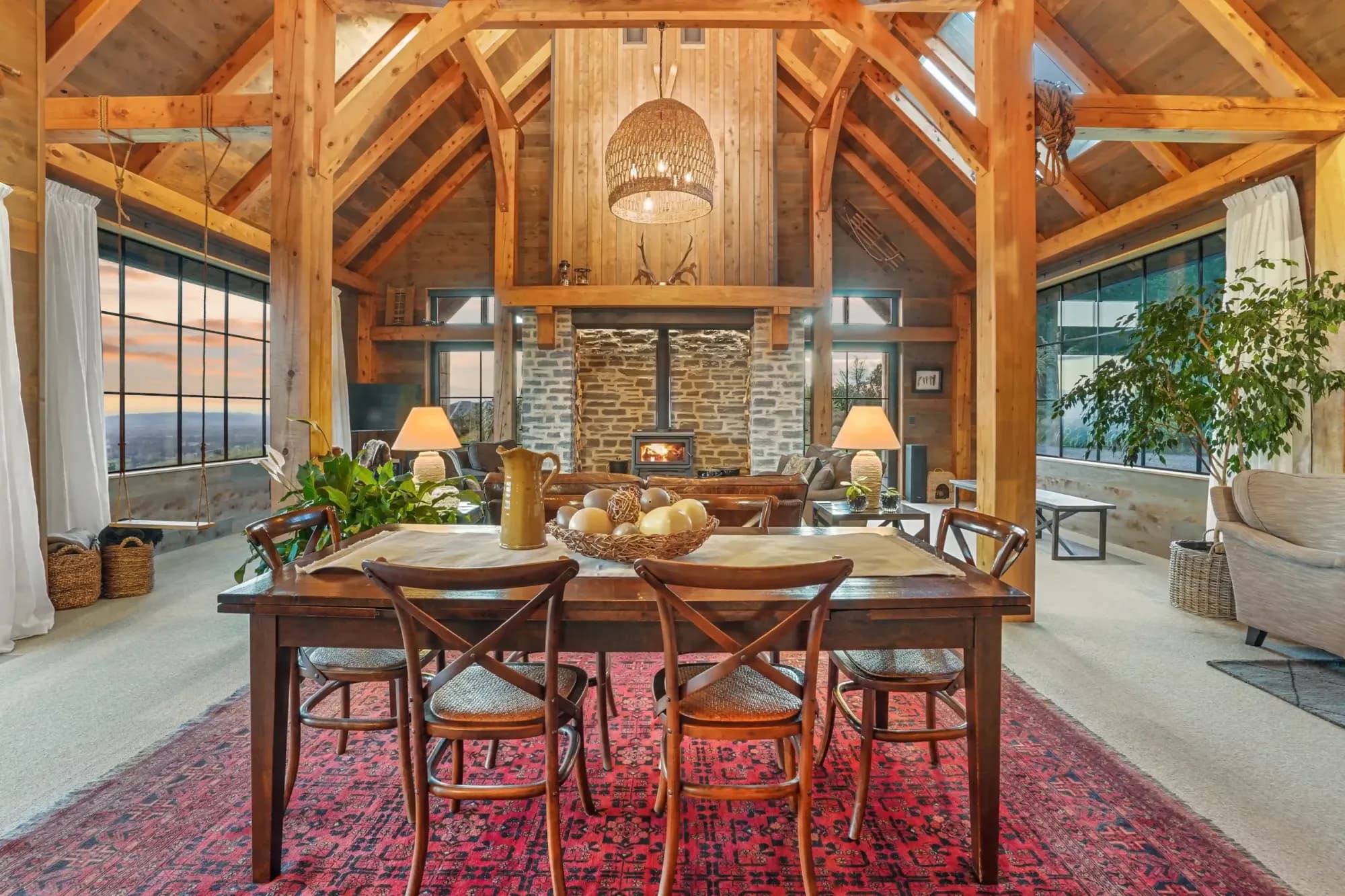
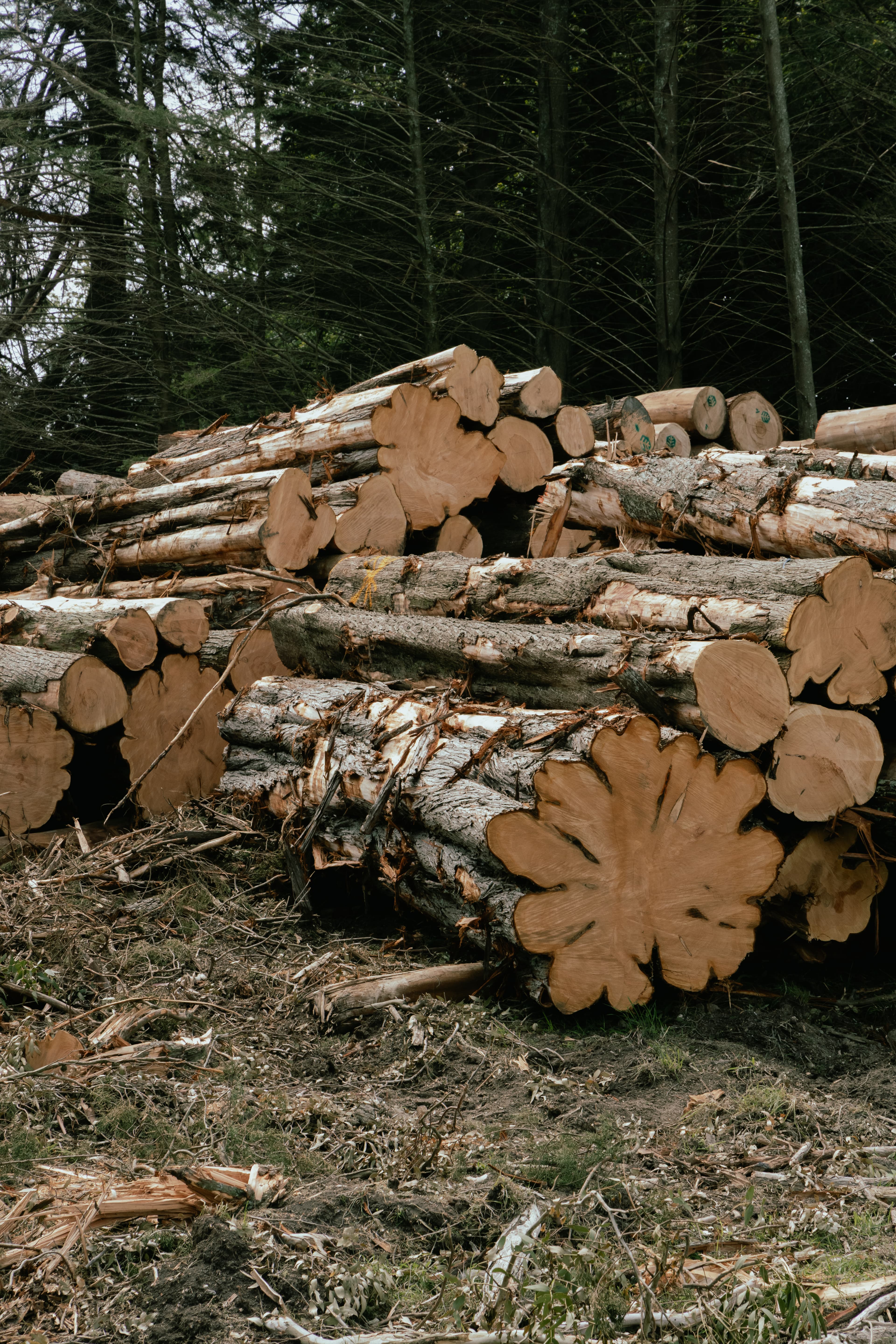
Time is rarely discussed in depth, yet it is a fundamental ingredient in any building project. The quality of the final result reflects not just the hours spent on construction, but a broader investment of time. This includes the years it takes to build the wealth necessary to afford quality building materials, the decades required to grow premium hardwoods, the time devoted to making decisions that ensure the building truly reflects one’s legacy, and the long journey of certain builders to master the craftsmanship needed to meet the high standards of discerning clients. In every sense, time invested is the foundation of enduring quality.
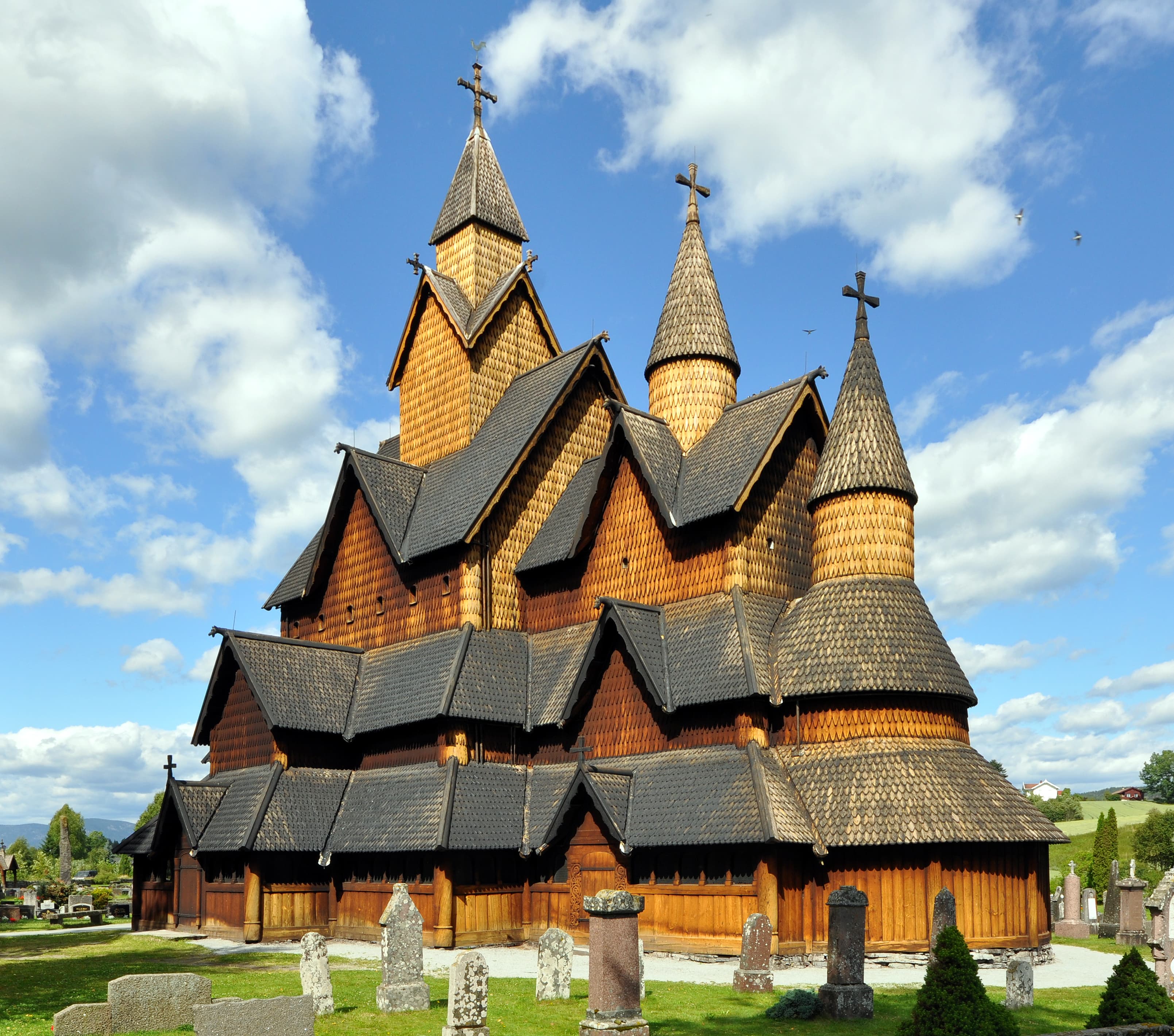
Timber buildings – ranging from 1,400-year-old Buddhist temples in Japan, to 900-year-old stave churches in Norway and Sweden, to the many timber structures over 800 years old across Europe and beyond – are still standing today, attesting to the craftsmanship and cultures that built them. While most temples, churches and historical buildings of note have been destroyed or altered throughout history, the few that have endured continue to tell their stories. And in fact, the longer these structures survive, the more significant they become, as historical timber buildings become rarer with time.
Being able to tell a story through a home is a rare and meaningful gift. We often call these places legacy homes – homes that are not only enjoyed in the present but are built to last, to be passed down through generations. They store more than just physical value; they carry the memories, identity, and legacy of a family.
Image: The Heddal Stave Church in Norway, built roughly 1,200 years ago. For all our progress, maybe we ought be remembering a few lessons from our past, like building homes which last, have meaning, and don't leave a pile of toxic materials for the earth to absorb when they eventually do come to end of life.
Photo by Micha L. Rieser, via Wikimedia Commons
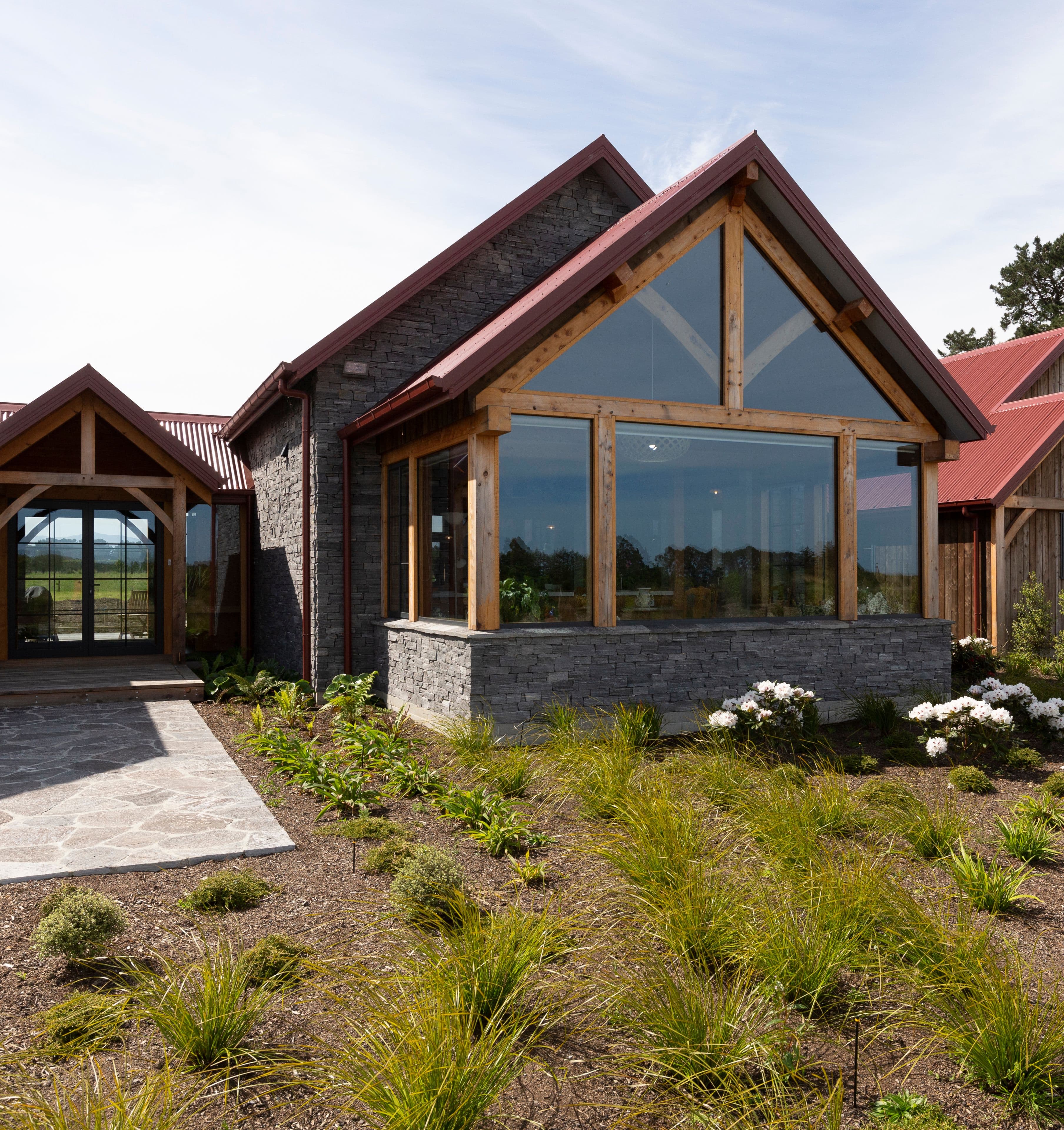
New Zealand’s Building Code in contrast only requires modern buildings to last 50 years. Which feels like a low bar, especially in an age of advanced materials and technology – and particularly when our ancestors were building timber structures that have stood for over 1,400 years (so far).
We have the choice to build homes that last. Often, it simply comes down to time – taking the time to work and accumulate some wealth, to consider your legacy, and to make wise decisions about the materials and methods used to build your home. Most houses built with synthetic materials are demolished within a single lifetime, leaving behind a pile of toxic waste. But a few well-built homes made from slow-grown timber endure – and will continue to stand for generations to come.
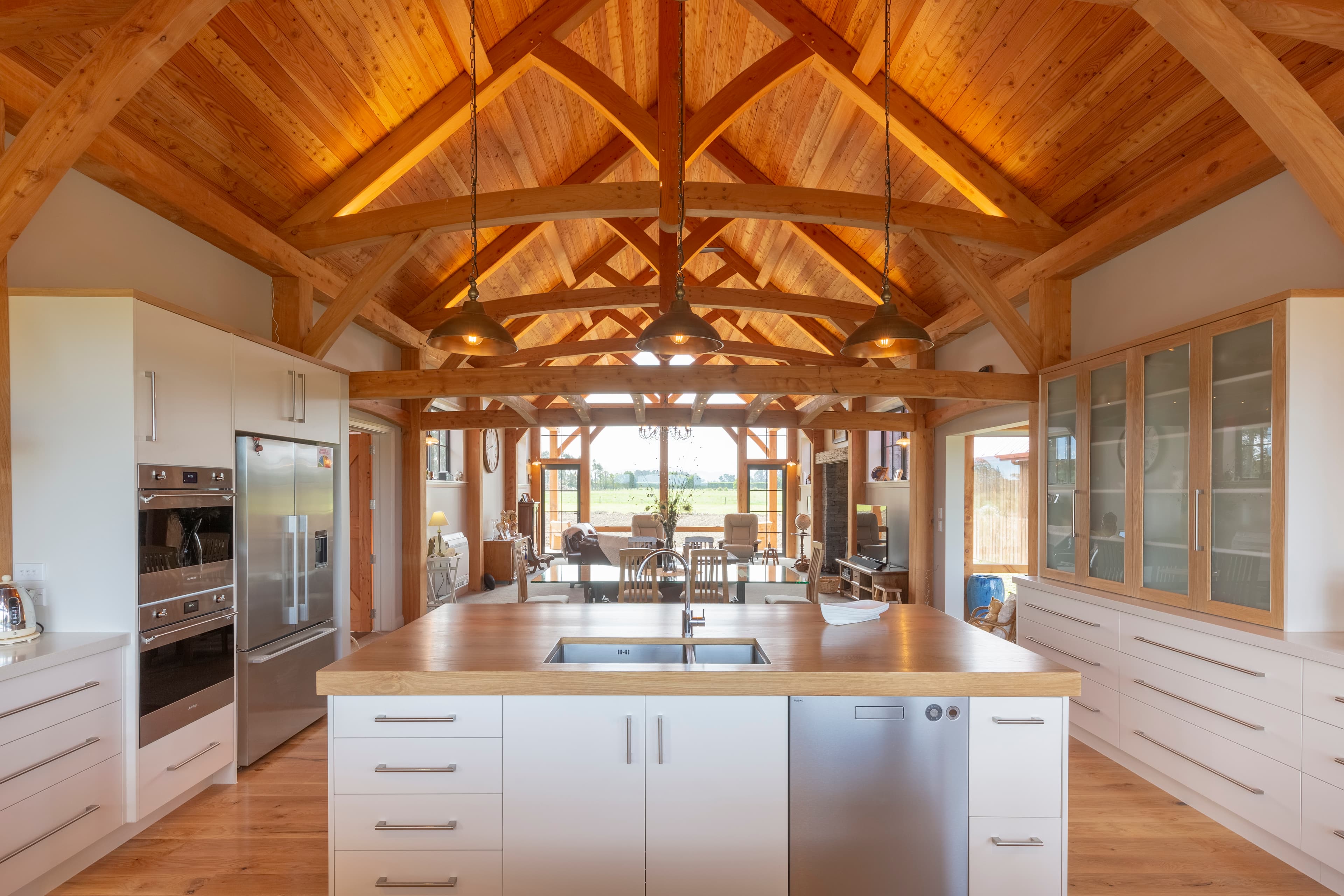
Image : High Country Homes in Canterbury are leaders when it comes to the design and build of timber frame homes built with durable, natural materials designed to minimise environmental impact and prevent toxic leaching into the soil at end of life.
.jpg&w=3840&q=75)