Oct 19, 2026
Spend smarter, not more: A better home for the same money
Why a well-built timber frame home can cost less over time than a cheaper build, and where to spend wisely
If you have a decent income and an eye for quality, you’re probably not looking for the cheapest build. You’re thinking long-term, and want the best home your money can buy. This article explains how to get more for your building dollar, so you get a better home for the same money.
Know what "build costs" really include
When a builder or advertiser quotes a "build cost", it usually covers less than you'd expect. Septic tanks, driveways, connecting power and water from the road, major excavation or retaining walls, and landscaping are typically excluded. Often only the foundation is counted.
This may sound obvious, but ask exactly what's included and budget for the whole project. Ask if advertised prices include GST. Then separate your non-negotiables from your nice-to-haves. Anything in the second group can be delayed or dropped.
Build in stages, and start simple
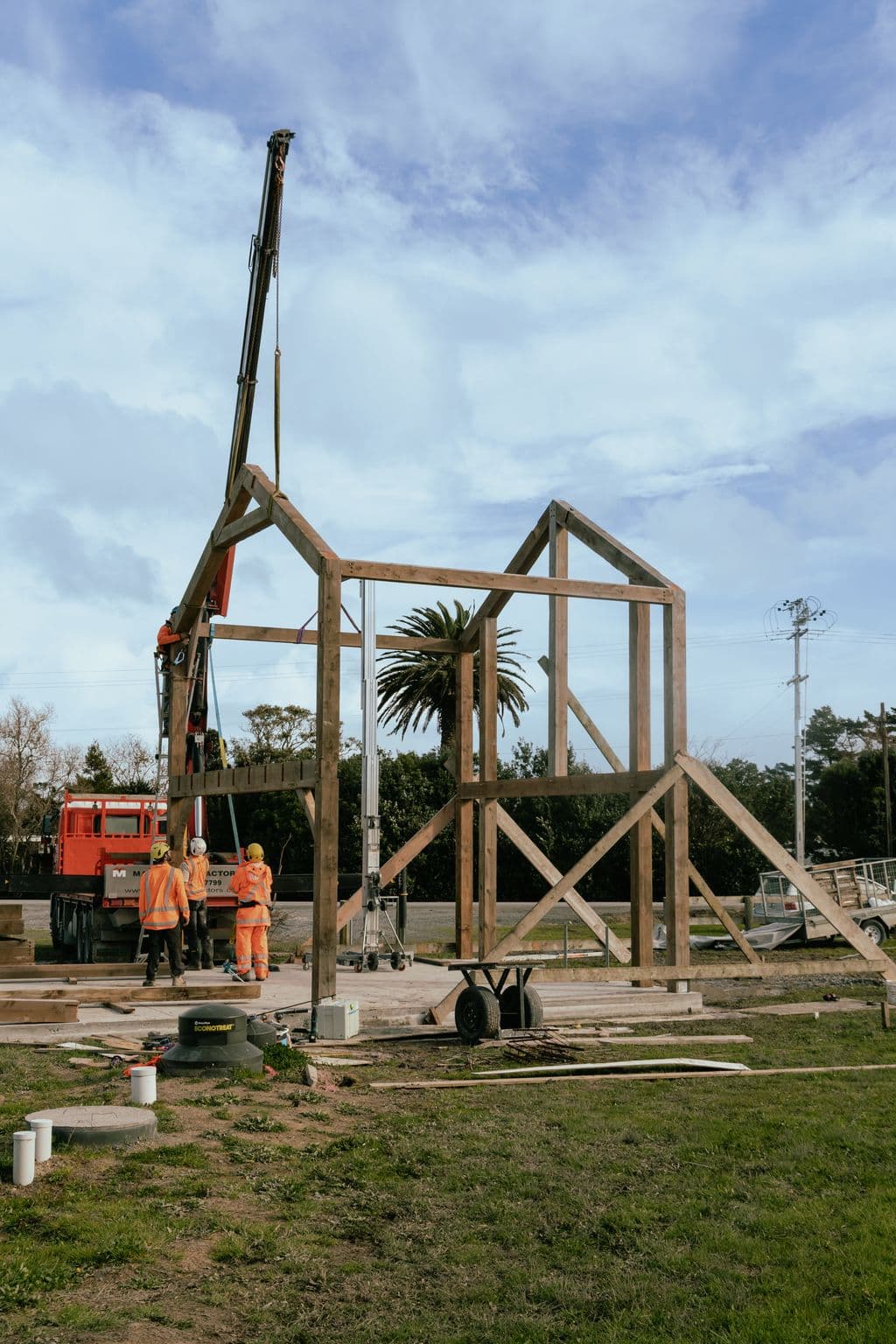
You don't have to build everything at once. Begin with the main frame and add a garage later for instance; you can move in sooner and add to the home as your budget allows.
Lean-tos are among the most affordable ways to gain space, whether enclosed or open. Large, simple "envelope" designs, such as a Montana frame, also help: because internal walls aren't holding the building up, rooms can be rearranged with minimal impact on cost.
Choosing your design and team
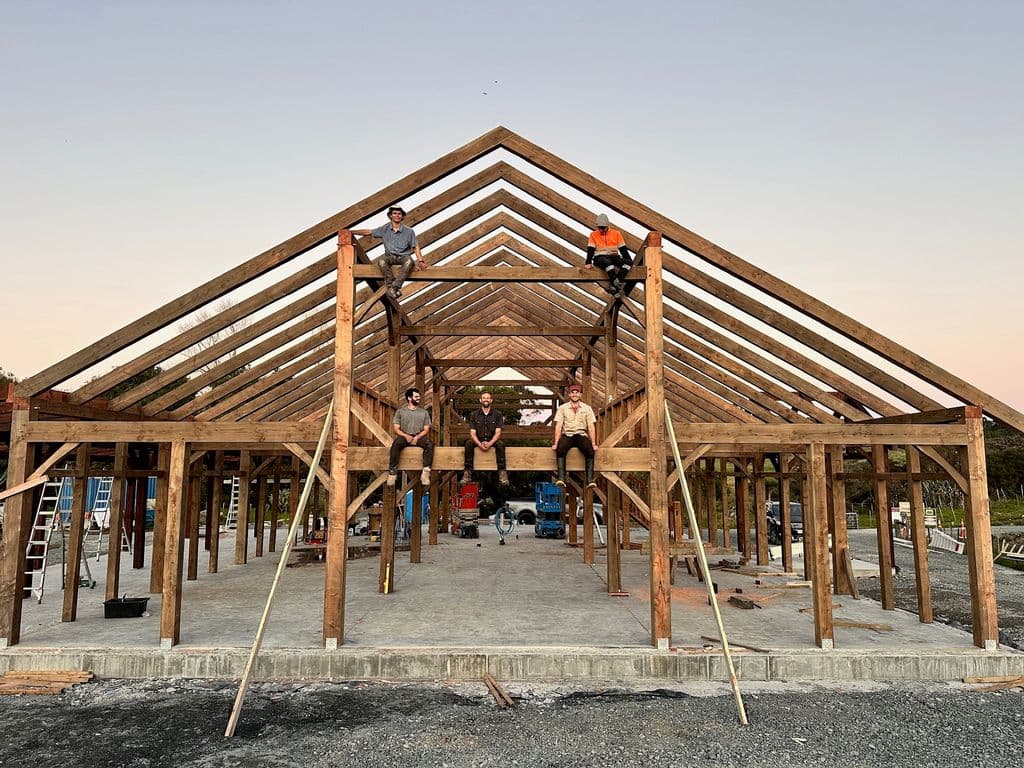
Favour proven designs. A home that has been built at least once before, especially recently, comes with current pricing and a builder who knows its quirks. That can allow a fixed price, because the unknowns have already been worked through. Standard designs make good starting points, especially those with large open envelopes.
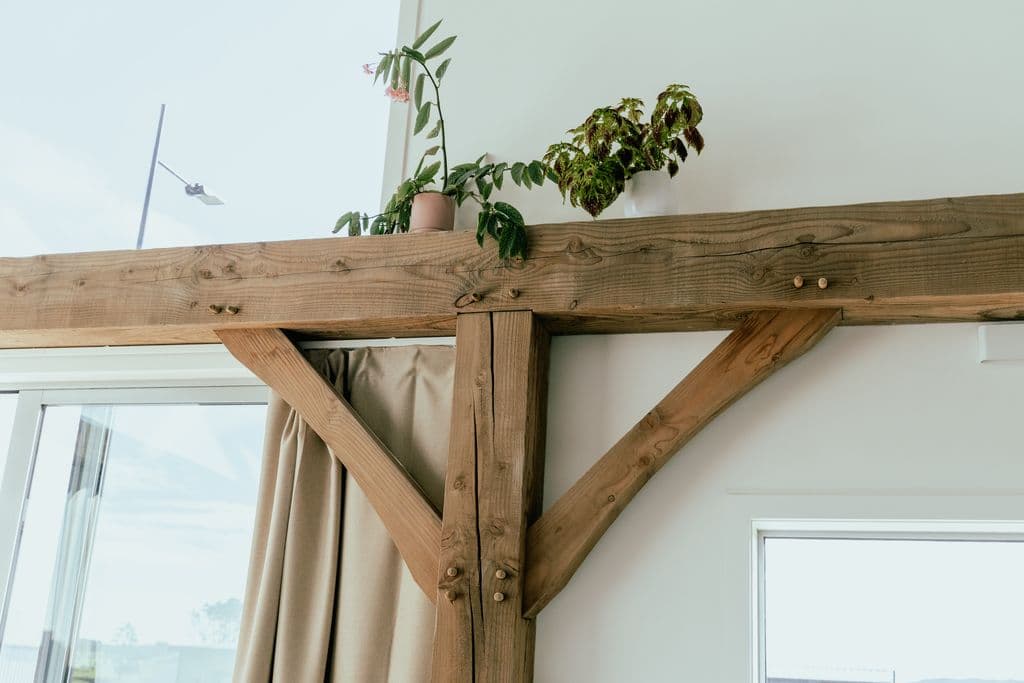
Approach architects with eyes open. Architects are often highly talented, but their concepts can be far removed from building practicalities, and many beautiful designs prove too expensive to build. Share your budget up front and ask for regular cost checks. If you want a genuine timber frame home, make sure the frame is structural and actually holds the building up, not merely decorative.
Choose a builder for attitude as well as experience. Passion for the style matters; builders who love timber frame homes can do excellent work even on their first. Look for conscientiousness, attention to detail and a level head, qualities found in builders of every age.
Think about value, not just cost
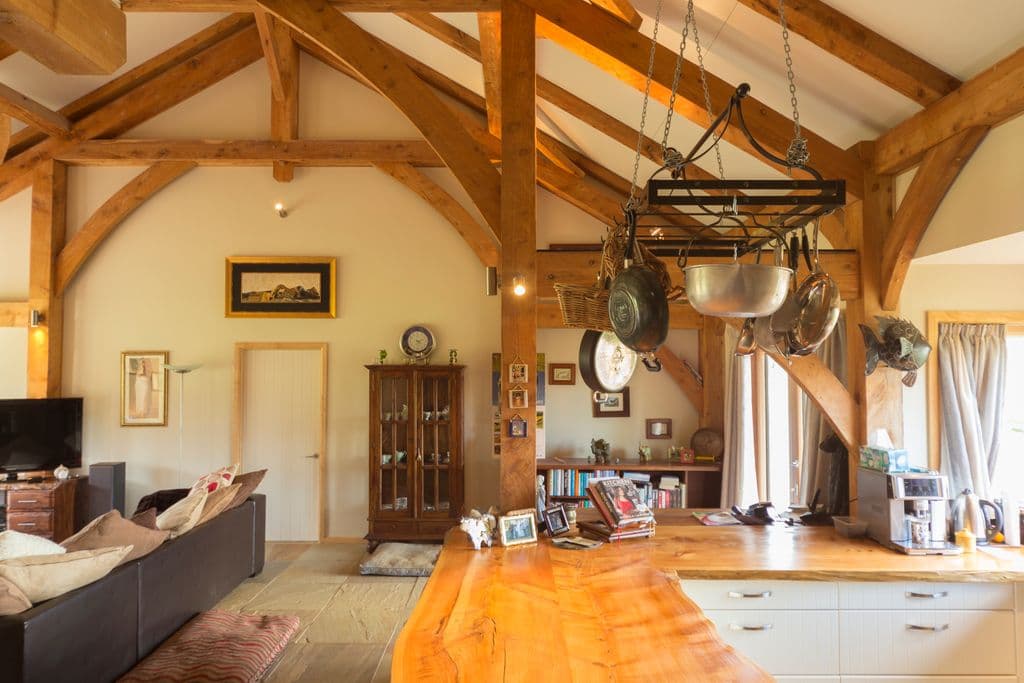
Quality in a home pays you back over time. Cheaper lightweight builds can need earlier repairs, while a well-built timber frame home, made from durable timber, is built to last generations and even withstand natural events like earthquakes. Add the daily pleasure of living somewhere solid, warm and beautiful, with that unmistakeable feeling of permanence, and the true cost over time can look very different. Authentic timber frame barn homes are known to appreciate over time too, so the resale value is well worth factoring in.
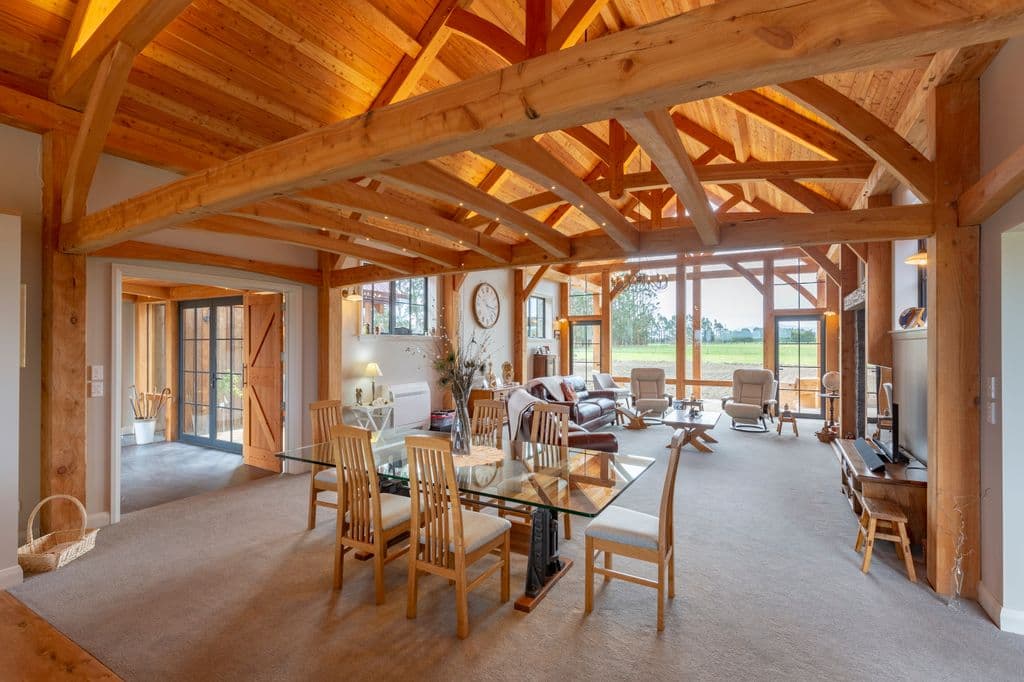
So ask where a little extra spend creates lasting value. Often it’s in the heart of the home. In an open-plan living area with no internal walls to support the roof, you can celebrate the structure rather than hide it. A ridge beam supported by posts and braces, with exposed rafters at regular spacing for example, is both functional and beautiful.
Consider the owner-builder route
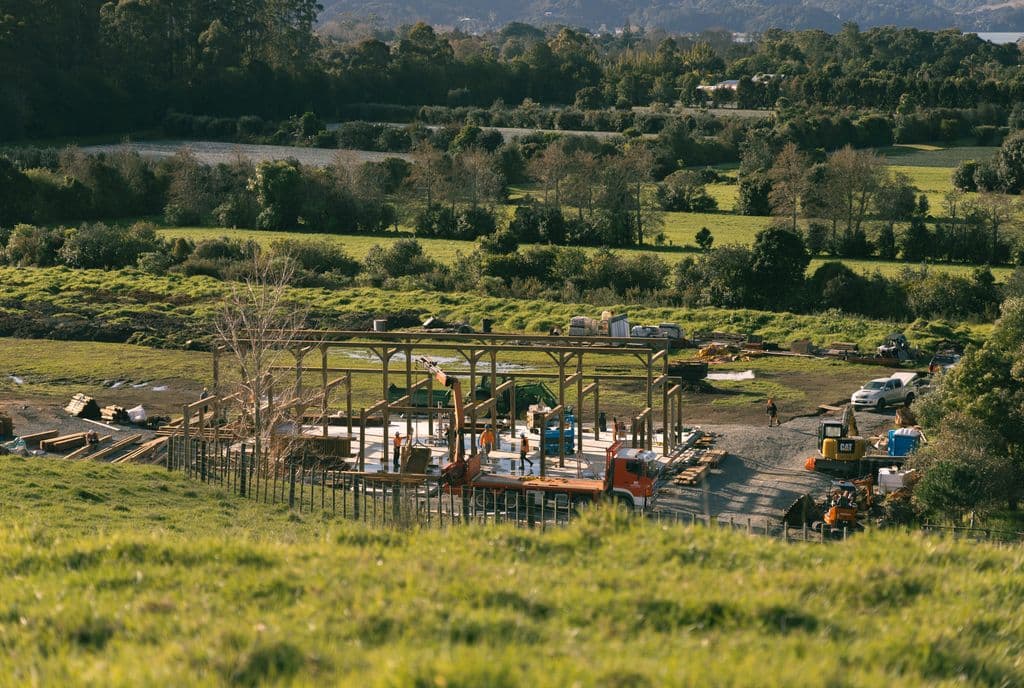
Some people save money by acting as owner-builders: arranging the sub-trades themselves while a good builder keeps an eye on the whole project. The trade-off is time. You gain flexibility over when each stage happens and what you spend at each point, but the build usually takes longer.
That matters less than it sounds if you’re not paying rent. You generally have two years from when building consent is granted to complete the home, and a slower pace costs you very little if you’re already living somewhere you own or have no housing costs. If you are renting, the sums change, because every extra month adds to the real cost of the build. Work out your monthly rent against the savings you expect before you commit to this route.
Trusted family members can also reduce labour costs, but building projects are known to strain relationships. Choose carefully, agree roles early, and have a backup plan in case things get tense. You want to be confident the project will bring you closer together, not put those relationships at risk.
The takeaway
Building well in New Zealand comes down to informed choices. Budget for the whole project, build in stages if you need to, choose proven designs, work with the right people, and spend where quality counts.
A well-built timber frame barn home may cost more at the start than the cheaper alternative. But count the lower likelihood of early repairs and replacement, the everyday pleasure of living somewhere you love, plus the resale value, and it can work out cheaper in the long run, with a great deal more happiness. The home you love living in is usually the one worth building.